
10 Best Mens Rain Coats for 2026?

Rain can turn a short walk into a long, damp commute. A dependable Mens Rain Coat should handle more than a sudden shower. It should keep water out, release excess heat, and move comfortably over a sweater or work jacket.

The World Meteorological Organization’s State of the Global Climate 2024 report recorded 2024 as the warmest year in its observational record, at about 1.55°C above the 1850–1900 average. That figure describes global temperature, not local rainfall. It still underlines why weather-ready clothing deserves practical attention, while reminding shoppers that local conditions matter most.

Outdoor use matters, too. The Outdoor Industry Association’s 2024 Outdoor Participation Trends Report estimated that 175.8 million Americans took part in outdoor recreation in 2023. More time outside can mean more exposure to changing weather, from misty trail starts to wet city crossings. Fit matters. Details count.

This guide compares ten men’s rain coats for 2026 through useful, checkable features: waterproof construction, seam sealing, breathability, hood adjustment, pocket placement, and room for layers. A high waterproof rating can look impressive on a product page. It cannot tell the whole story about comfort, durability, or fit. Some trade-offs remain. Our picks are intended to help you match a coat to your routine, not promise that one jacket suits every forecast.
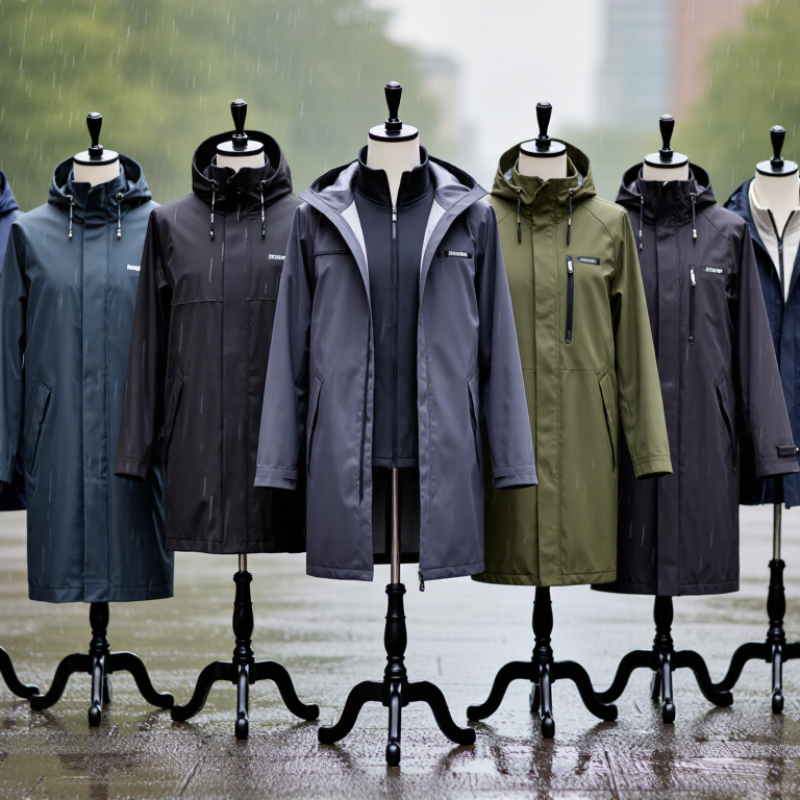
10 Best Mens Rain Coats for 2026?

What Makes a Men’s Raincoat Suitable for 2026?

A raincoat suited to 2026 should keep water out without turning a short walk into a sauna. Check whether the maker publishes waterproofness results, not just a “waterproof” label. ISO 811 measures resistance to water pressure, while ISO 11092 assesses heat and water-vapor transfer through fabric. These tests help compare materials, but they cannot predict every gust or worn seam. No spec sheet covers everything. In practice, a hood that turns with your head, sealed seams, adjustable cuffs, and a hem that stays put matter when rain blows sideways.

Durability also deserves attention. Textile Exchange’s Materials Market Report 2024 estimates that global fiber production reached 124 million tonnes in 2023, with polyester making up 57 percent. That scale is a reason to favor a coat you can maintain, rather than replace after one torn cuff. Look for repairable construction, clear care instructions, and pockets that remain usable over a backpack or work layers. Try raising your arms and sitting down: fabric should not pull sharply across the shoulders or expose your wrists. One limitation is unavoidable: lighter coats pack easily, but may feel less protective in prolonged, driving rain. Choose for your actual commute and weather, not an idealized forecast.

Raincoat Types and Materials for Different Conditions

Choosing a men’s raincoat starts with the weather you actually face, not the forecast’s worst-case number. For brief showers and warm commutes, a lightweight, packable shell is easy to carry and quick to put on. Look for an adjustable hood that stays clear of your sightline. Need more coverage? A longer coat helps protect trousers when wind pushes rain sideways, though it can feel cumbersome on crowded buses.

Fabric matters as much as cut. Coated polyester or nylon often keeps weight and cost down, while a breathable membrane can reduce clamminess during brisk walks. Neither option works by magic. Check that seams are taped, since needle holes can let water through, and consider a two- or three-layer construction for frequent, heavy rain. There is no perfect fabric; breathability claims can feel optimistic on a fast uphill walk.

For cold, wet days, a lined raincoat adds warmth, but removable layers offer more flexibility across changing seasons. Waxed cotton can shed light rain and develop a distinctive worn-in finish, yet it usually needs periodic care and may feel heavy when damp. Try the coat over a sweater, then reach forward and lift your arms. If the hem rides up or the shoulders pull, the fit may fail exactly when you need to move quickly.

Key Features to Compare Before Choosing a Raincoat

A raincoat’s waterproof rating matters, but the number alone cannot predict comfort. ISO 811:2018 measures fabric resistance to water penetration under hydrostatic pressure. Look for test results, not vague claims such as “waterproof.” The EN 343 standard also assesses rain protection and water-vapor resistance. These measurements help compare coats intended for different exposure levels. Fit matters. A coat should cover your hips when you reach forward, without pulling across your shoulders. Check sealed seams, storm flaps, and adjustable cuffs; these details can limit water entry around openings. A hood that turns with your head is useful on wet, windy streets.

Breathability deserves equal attention. A shell that blocks rain but traps sweat can feel clammy after a brisk walk. The Outdoor Industry Association’s 2024 Outdoor Participation Trends Report estimates that 175.8 million Americans took part in outdoor recreation in 2023. That broad participation figure is a reminder that rainwear serves varied activities, from short commutes to longer hikes. Consider weight, lining, pocket placement, and ventilation zips for your routine. Try the coat over the layers you actually wear. I still find hood fit hard to judge indoors. Small details count. A two-way front zip can ease movement, while a packable design saves space but may sacrifice structure. Compare care instructions, too; repeated washing can affect coatings, so follow the garment’s guidance.

Ten Men’s Raincoats Worth Considering in 2026

10 Best Mens Rain Coats for 2026?

Ten Men’s Raincoats Worth Considering in 2026

A useful shortlist starts with how you travel and where rain usually finds you. Consider a lightweight packable shell for sudden showers, or a three-layer hiking shell for long, wet walks. A classic trench suits office commutes, while a city parka offers more coverage over everyday clothes. For cycling, look for a longer back panel and reflective details. Small features matter.

For colder weather, an insulated waterproof coat can be practical, though it may feel too warm during active travel. A breathable trail shell helps reduce clamminess on steep climbs. A seam-sealed work coat is a sturdy choice for outdoor tasks. Waxed cotton has a distinctive feel, but needs occasional care and may not handle prolonged downpours as well as technical fabrics. A simple coated-fabric raincoat can suit light use, while a longer rain cape leaves room for a backpack. These ten styles serve different needs, not every forecast.

Tips: Check the hood’s adjustment with a hat on, and raise your arms to test sleeve coverage. Inspect seams, cuffs, and zipper flaps before buying. Fit deserves a second look: a coat should allow a warm layer, but excess fabric can catch wind. Water-resistant is not always waterproof.

10 Best Men’s Rain Coats for 2026? — Ten Men’s Raincoats Worth Considering in 2026

A practical comparison of ten raincoat types. These are construction and use-case categories, not specific products; actual performance varies by garment design and manufacturer specifications.

Raincoat Type Typical Construction Best For Main Advantage Trade-Off What to Check
Lightweight Packable Shell Thin waterproof or water-resistant fabric designed to fold into a small pouch or pocket. Travel, commuting, and keeping in a day bag for sudden showers. Low bulk and easy storage. Usually offers less warmth and may be less durable than heavier shells. Confirm whether the seams are sealed and whether the hood adjusts securely.
Two-Layer Waterproof Coat A waterproof outer fabric bonded to a membrane or coating, often with a separate hanging lining. Everyday wear in wet weather, especially when comfort and coverage matter. The lining can feel comfortable against clothing and skin. Often bulkier and slower to dry than lighter shell constructions. Look for sealed seams, cuff adjustment, and enough room for a mid-layer.
Two-and-a-Half-Layer Shell A waterproof outer fabric and membrane with a printed or applied protective interior layer. Hiking and travel where lower weight and packability are priorities. Typically lighter and less bulky than a lined two-layer coat. The interior can feel clammy during prolonged, high-effort activity. Check the care instructions; dirt and body oils can affect water-repellent performance.
Three-Layer Technical Shell Outer fabric, waterproof-breathable membrane, and inner backer bonded into one construction. Frequent outdoor use and changeable weather. Integrated layers can provide a durable, protective shell without a loose lining. May cost more and feel stiffer than a casual raincoat. Check seam sealing, ventilation options, and the manufacturer’s care guidance.
PU-Coated Raincoat Fabric coated with polyurethane to help block rain; some designs use a simple, wipe-clean surface. Short walks, errands, and occasional wet-weather use. Can provide straightforward rain protection and easy cleaning. Coated fabrics are often less breathable than technical membrane shells. Look for ventilation features and sealed construction if prolonged exposure is expected.
Waxed-Cotton Coat Durable cotton fabric treated with wax to help shed water. Casual wear and cool, showery conditions. Has a substantial feel and can develop a distinctive worn-in appearance. Can be heavy, requires periodic re-waxing, and is not usually the best choice for intense activity. Follow the maker’s cleaning instructions; ordinary machine washing can remove the wax finish.
Long Raincoat A longer-cut coat, often with a storm flap, adjustable cuffs, and a hood or collar. Urban commuting and added coverage over everyday clothing. Protects more of the body than a short jacket. Long hems can restrict movement or catch on a bicycle saddle. Check the hem length, walking vent, and whether the hood fits comfortably over your headwear.
Raincoat with Ventilation A waterproof shell with features such as pit zips, back vents, or mesh-lined openings. Walking, hiking, and active use where heat can build up inside the coat. Adjustable openings can help release excess heat and moisture. Open vents may admit rain in exposed conditions if not properly covered or closed. Check that vents have closures or protective flaps and are easy to operate while wearing the coat.
Insulated Waterproof Coat A waterproof outer shell combined with synthetic or down insulation. Cold, wet conditions and low- to moderate-intensity outdoor use. Combines rain protection and warmth in one garment. Can feel too warm during strenuous activity and is less versatile in mild weather. Check insulation type, hood coverage, and whether the outer seams are sealed.
Commuter Raincoat A city-oriented shell with practical pockets, adjustable cuffs, and a cut designed for everyday clothing. Walking, public transport, and daily travel in wet weather. Balances weather protection with an easy-to-wear, everyday design. May lack the technical features needed for prolonged hiking or severe exposure. Check pocket placement, reflective details for low-light travel, and coverage when seated.

How to Choose the Right Raincoat for Your Needs

Choosing a men’s raincoat starts with the weather you actually face. For frequent, heavy rain, look for a waterproof shell with sealed seams and a storm flap over the zipper. In light showers, a water-resistant coat may feel softer and breathe better. Those terms are not interchangeable, so check the garment’s specifications rather than relying on a vague label.

Fit matters in real use. Try the coat over a sweater, then reach forward as if gripping handlebars. Sleeves should cover your wrists, and the hem should protect your hips without restricting your stride. A hood with adjustable points stays useful when wind turns rain sideways. Pockets should be reachable with the coat zipped. Small detail. Still easy to overlook.

Tips: Check ventilation under the arms or across the back if you walk briskly. Packable designs save space, but very thin fabric can feel clammy. After a wet commute, hang the coat open to dry fully; damp cuffs and pockets can linger. Consider your routine, too: a quiet fabric may suit daily wear, while durability matters more on rough trails. There is no perfect coat for every day, and I would not choose by appearance alone.

Article Source: