 North American Safety Valve Industries, Inc.North American Safety Valve Industries, Inc.North American Safety Valve Industries, Inc.
Choosing the best thermal relief valve manufacturer in China requires more than comparing prices or polished catalog photos. These valves protect blocked-in liquid systems, pipelines, pumps, and heat exchangers from dangerous pressure increases. A reliable manufacturer must demonstrate practical engineering experience, consistent machining, accurate spring calibration, and traceable testing.
Henry H. Bednar, a recognized pressure-vessel safety author, wrote, “A pressure relief device is a safety device, not a process control device.” This principle matters when evaluating Chinese suppliers. The strongest candidates should explain set-pressure accuracy, reseat performance, material compatibility, and discharge capacity in clear technical terms. They should also provide inspection records, pressure-test data, and documented quality procedures.
Look beyond the factory gate.
A serious assessment may include factory audits, sample testing, and customer reference checks. Examine valve bodies closely. Rough threads, uneven casting surfaces, or unclear markings can reveal weak process control. Ask whether the manufacturer supports stainless steel, brass, carbon steel, or special alloys for demanding media. Confirm whether production follows relevant ASME, API, CE, or other applicable requirements for the target market.
No shortlist is perfect. Even experienced buyers can overvalue certificates and overlook after-sales response. A lower-cost valve may also create higher maintenance risk later. This guide compares leading Chinese thermal relief valve manufacturers through engineering capability, product reliability, customization, testing discipline, delivery performance, and technical support. The goal is not to name the loudest supplier. It is to identify the manufacturer that can protect your system consistently, under real operating conditions.
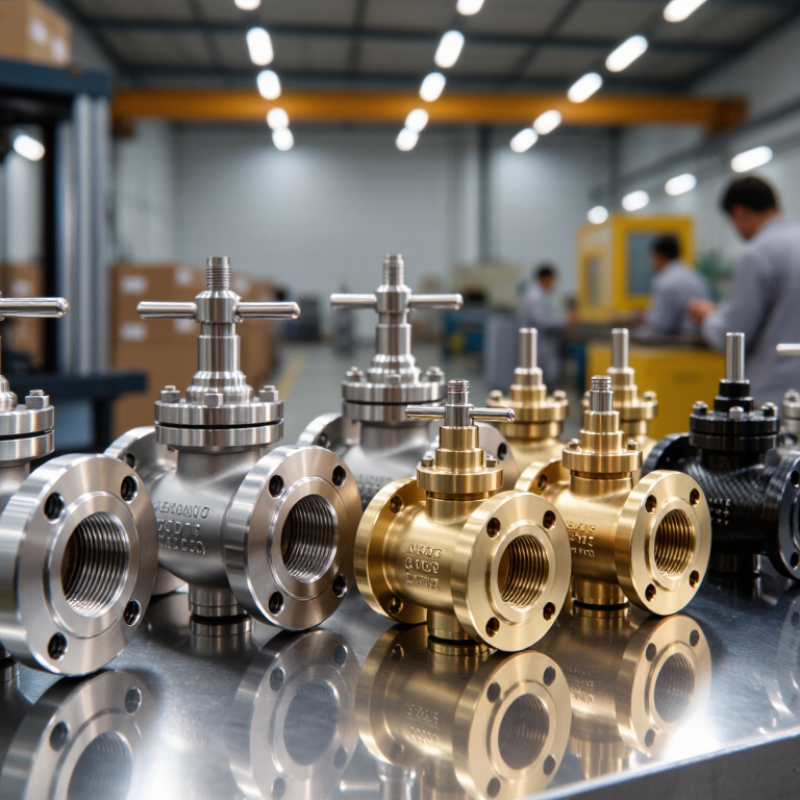
A thermal relief valve protects liquid-filled piping from pressure caused by temperature changes. It is commonly installed on blocked-in pipelines, pumps, heat exchangers, and storage sections. When liquid warms, it expands but cannot escape. Pressure then rises inside the isolated section. At the preset pressure, the spring-loaded valve opens and releases a small amount of fluid. This reduces pressure before the pipe or equipment reaches a dangerous level. When pressure falls, the spring pushes the valve closed again. The mechanism is simple, but installation details matter.
In field inspections, I look for a discharge line directed toward a safe collection point. The outlet should not face workers, electrical equipment, or walkways. The valve body must match the fluid, temperature, pressure, and piping material. Stainless steel may suit corrosive service, while other applications require different alloys or seals. A neat datasheet is not enough. I have seen valves selected by connection size alone, which can leave the relief capacity uncertain. That shortcut deserves more thought.
For buyers comparing a thermal relief valve manufacturer in China, production testing is more important than polished claims. Ask for material certificates, pressure-test records, calibration data, and clear installation instructions. Check whether each valve receives traceable inspection before shipment. The manufacturer should explain set-pressure tolerance, reseating behavior, temperature limits, and maintenance intervals. Independent quality audits can add confidence. Even then, field conditions may differ from laboratory conditions. A competent supplier should discuss those gaps openly. Surface finish, thread accuracy, spring stability, and seal quality often reveal careful manufacturing.
Manufacturer-Neutral Technical Data and Selection Benchmark
| Data Dimension | Verified Technical Data | How the Valve Works or Why It Matters | Recommended Evaluation Point |
|---|---|---|---|
| Primary purpose | Protects blocked-in liquid-filled piping, vessels, pumps, heat exchangers, and pipelines from pressure caused by temperature rise. | A small quantity of liquid expansion in a confined system can produce a significant pressure increase because liquids are only slightly compressible. | The manufacturer should offer a product specifically designed for liquid thermal-expansion relief rather than relying only on a general gas or steam safety valve. |
| Typical installation location | Installed on the isolated section of liquid piping or equipment, commonly between two shut-off valves or near a heat source. | The valve must be connected to the pressure zone that can become trapped and heated. | Check whether installation drawings clearly show the protected volume, inlet connection, discharge route, and isolation arrangement. |
| Pressure-generation mechanism | Thermal expansion occurs when liquid temperature increases while the liquid is confined. | When system pressure reaches the spring-set opening pressure, the valve lifts and releases a small amount of liquid. It reseats as pressure decreases. | Look for stable opening and reseating performance, low leakage after cycling, and documented pressure-test results. |
| Common protected media | Water, glycol-water mixtures, hydraulic oil, lubricating oil, fuel oil, and other compatible liquids. | Relief capacity and material compatibility depend on liquid density, viscosity, temperature, vapor pressure, and chemical composition. | Confirm compatibility of the body, spring, trim, seat, seals, and discharge piping with the actual process fluid. |
| Pressure behavior | Pressure rise depends on liquid bulk modulus, thermal expansion coefficient, temperature increase, trapped volume, and system flexibility. | There is no universal pressure-rise value for every liquid system; the same temperature change can create different pressures in different installations. | A reliable supplier should request process data instead of selecting a valve from line size alone. |
| Set pressure | Set pressure must be below the maximum allowable working pressure of the protected equipment and piping, subject to the applicable design code. | The valve opens when the protected pressure reaches its calibrated set point. | Verify set-pressure tolerance, test method, calibration certificate, and compatibility with the weakest component in the protected system. |
| Relief capacity | Thermal relief valves generally require a small discharge capacity compared with valves intended for fire exposure, gas blowdown, or major process overpressure. | The valve removes enough liquid to control pressure generated by the expected thermal expansion. | Capacity should be calculated from the blocked-in volume, temperature rise, fluid properties, and allowable pressure—not selected solely by nominal pipe size. |
| Valve actuation | Most thermal relief valves use a spring-loaded mechanism with a disc and seat; some specialized designs use different sensing or pilot arrangements. | System pressure acts against the disc. When the pressure force exceeds the spring force plus sealing forces, the disc lifts. | Assess spring stability, adjustment security, repeatability, and resistance to vibration or installation stress. |
| Temperature capability | Operating temperature is limited by the body material, spring material, seat, seal compound, and fluid properties. | Higher temperatures can reduce seal life, alter spring behavior, and affect fluid viscosity and expansion. | Require a temperature-pressure rating table and confirm the rating at the actual operating and design temperatures. |
| Common body materials | Typical choices include carbon steel, stainless steel, ductile iron, and selected bronze or alloy materials, depending on service. | Material selection affects corrosion resistance, pressure containment, temperature capability, weight, and total service life. | Review material certificates, corrosion allowance, casting or forging quality, and suitability for the process fluid. |
| Connection options | Common connections include threaded, socket-weld, flanged, and other standardized end configurations. | The connection must withstand the design pressure and temperature while maintaining a leak-tight joint. | Check dimensional standards, pressure class, thread form, flange facing, and compatibility with the existing piping system. |
| Discharge arrangement | Discharge may be routed to a safe collection point, drain system, tank, or other approved destination, depending on the fluid hazard. | The discharge path prevents released liquid from creating personnel, environmental, fire, or equipment hazards. | The supplier should provide discharge-direction guidance and identify any backpressure limitations. |
| Backpressure consideration | Built-up or superimposed backpressure can influence opening pressure, capacity, and reseating behavior. | Resistance in the discharge line can oppose valve opening and reduce effective relief performance. | Confirm allowable backpressure and whether the selected design is suitable for a closed or routed discharge system. |
| Leakage control | Seat finish, alignment, spring force, material pairing, and manufacturing tolerances influence leakage performance. | A valve that does not reseat properly can lose process fluid and fail to maintain system pressure. | Request seat-leakage test procedures, acceptance criteria, and records for every tested valve or production batch. |
| Applicable technical references | Depending on application, design and testing may reference standards such as ISO 4126, API 520, API 521, ASME pressure-vessel rules, and applicable piping standards. | Standards define or guide requirements for pressure-relief design, sizing, installation, materials, testing, and documentation. | Confirm which standards apply to the specific project and require the manufacturer to state the exact compliance scope. |
| Factory quality documentation | Useful records include material certificates, dimensional inspection reports, pressure-test results, set-pressure records, calibration certificates, and traceability documents. | Documentation demonstrates that the supplied valve matches the specified design and test requirements. | Prioritize traceable quality records and a defined inspection plan over marketing claims or price alone. |
| Best manufacturer selection criteria | Key criteria include application engineering, accurate sizing, stable set-pressure control, material traceability, documented testing, customization capability, and after-sales technical support. | A technically suitable valve must work reliably within the complete system, not merely meet a nominal pressure or connection size. | The strongest candidate is the manufacturer that can provide verifiable technical evidence for the complete operating case. |