China Top 10 Pressure Valve Manufacturers for Global Buyers introduces suppliers serving demanding industrial applications worldwide. The list considers engineering capability, manufacturing experience, quality systems, product range, and export support. It does not treat company size as proof of performance. A smaller factory may offer stronger customization, while a larger supplier may provide broader testing resources.
Philip L. Skousen, a recognized valve engineering author, describes valves as “mechanical devices used to control the flow of fluids.” That simple definition carries serious responsibility. A pressure valve must respond reliably when pipelines face high temperature, sudden surges, corrosive media, or repeated cycling. Buyers should examine body materials, pressure ratings, sealing design, actuator options, and inspection procedures. They should also request test records, applicable certificates, dimensional drawings, and clear warranty terms.
Details matter most.
A dependable manufacturer should explain how each pressure valve is tested before shipment. Hydrostatic testing, leakage checks, material traceability, and final inspection can reveal differences hidden in a polished catalog. After-sales service matters too, especially when replacement seals or technical guidance are needed across borders. Communication speed is useful, but engineering accuracy matters more.
No ranking is perfect. Supplier capabilities change, and published information may become outdated. This guide therefore works as a practical starting point, not a final purchasing decision. Global buyers should compare evidence, request samples when appropriate, and verify performance against the actual pipeline conditions. The best choice is rarely the cheapest quotation. It is the manufacturer that can consistently match safety, durability, compliance, and application requirements.
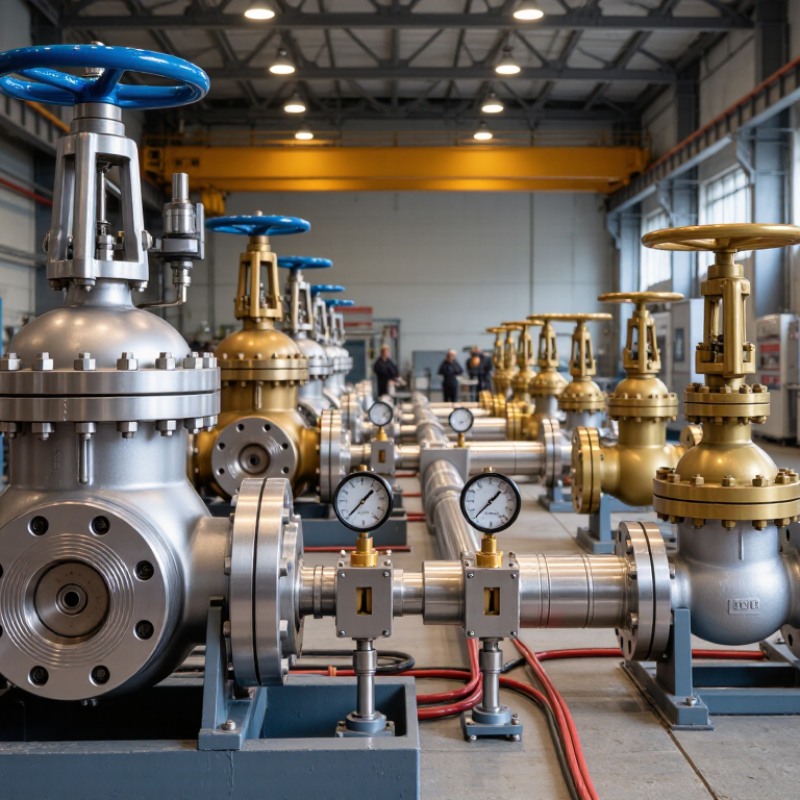
China’s pressure valve manufacturing sector serves oil and gas, power generation, water treatment, and chemical processing.
In 2024, global industrial valve demand was widely estimated at approximately US$80–90 billion. Pressure-rated products represented a substantial share, driven by pipeline upgrades, energy projects, and stricter process controls.
The figures vary between research firms. They are not perfectly comparable.
The market includes safety relief valves, pressure reducing valves, control valves, check valves, and pressure regulators.
Each type solves a different operating problem. Relief valves protect equipment during overpressure events. Reducing valves maintain lower downstream pressure. Control valves adjust flow continuously, while check valves prevent reverse movement.
Small details matter.
Seat material, actuator response, corrosion resistance, and testing records can change lifecycle performance.
Pressure classes commonly range from ANSI Class 150 to Class 2500. European specifications often use PN10 through PN420.
Buyers should match the class with temperature, media, flange design, and maximum allowable pressure.
A higher class is not automatically safer or more economical. It may increase weight, cost, and installation demands.
In 2024, demand grew most visibly for valves supporting LNG infrastructure, hydrogen-ready systems, municipal water renewal, and high-efficiency power facilities.
Some market forecasts appear optimistic, so procurement teams should verify capacity, certification, traceability, and pressure-test documentation before placing large orders.

China’s top 10 pressure valve manufacturers should be ranked through evidence, not online visibility. The evaluation should combine factory audits, engineering interviews, export records, certification databases, and verified buyer feedback. Product catalogs alone are not enough. They may omit failed tests, delayed shipments, or material substitutions.
Technical performance deserves the highest weight. Review pressure ratings, temperature limits, body materials, sealing systems, cycle testing, and documented leak rates. Inspectors should also examine machining accuracy, cleanliness, traceability, and final pressure testing. Market metrics add useful context, including export volume, delivery consistency, production capacity, warranty claims, and response time for technical questions. A supplier with a large factory may still perform poorly on customized orders.
Evidence needs a clear date and source. Recent inspection reports matter more than old certificates. Customs data can show market reach, but it cannot prove product quality. Buyer interviews reveal practical details, such as crate protection, thread accuracy, and replacement support. Some information will remain incomplete. Public complaint data is uneven, and smaller factories may be underrepresented. That weakness should remain visible in the ranking. Site visits can reduce uncertainty, yet one visit cannot represent every production batch. Engineers should repeat tests on randomly selected valves before making a final purchasing decision.
When comparing China’s top pressure valve manufacturers, buyers should read each profile beyond production claims. A credible supplier explains body materials, trim combinations, size limits, and pressure-temperature data. Carbon steel suits many oil, gas, and water services, while stainless steel supports corrosive or hygienic applications. Duplex and alloy steel may improve resistance, but selection depends on chlorides, temperature, and process chemistry. Ask for material certificates, heat numbers, and documented inspection records. Small details matter.
Size ranges commonly begin around DN15 and may extend beyond DN600, but capability varies by valve design. A large-bore valve needs more than a bigger casting; lifting weight, flange drilling, actuator torque, and testing capacity also matter. PN16 through PN420 indicates nominal pressure classes under EN-based practice, expressed approximately in bar. Class 150 through 2500 follows ASME flange and pressure conventions. They are not direct equivalents. PN40 should not be selected simply because it resembles a nearby ASME class. Temperature can reduce allowable pressure, especially with softer seat materials.
Strong manufacturer profiles identify design standards, pressure-test procedures, fugitive-emission controls, and traceability from raw material to final inspection. Request drawings, test reports, welding qualifications, and sample certificates before approving a purchase. Factory audits can reveal practical weaknesses, such as poor coating storage or inconsistent actuator calibration. I would also question unusually broad size and rating claims. They may be technically possible, yet not routinely produced. That distinction affects delivery reliability.
Global Buyer Comparison: API, ASME, ISO 9001, MOQ, and Lead-Time Data
For global buyers, a top-ten pressure valve list is useful only when its comparison method is clear. API references often cover valve design, performance, and testing. ASME requirements may relate to pressure design, materials, or installation conditions. ISO 9001 confirms a quality management system, not automatic product excellence. Buyers should check certificate numbers, validity dates, and covered production sites.
MOQ can change the real purchase cost. A supplier offering twenty standard valves may quote differently for one customized unit. Ask whether MOQ applies to each size, material, or pressure class. Lead time also needs careful reading. Stocked carbon-steel valves may ship within two weeks, while forged stainless-steel units can require six to ten weeks. Export documents, inspection plans, and coating requirements may extend this period.
Request a dated quotation with Incoterms, test standards, packing details, and warranty terms. Review hydrostatic test reports, material certificates, and serial-number traceability. A remote factory tour helps, but it cannot replace independent inspection. That matters. Some comparison tables look precise, yet omit casting capacity or subcontracted machining. I would not rank suppliers from certification logos alone. Production records, response speed, and corrective-action evidence often reveal more. One practical weakness remains: published MOQ and lead-time data can become outdated after raw-material prices or seasonal demand changes.
China Top 10 Pressure Valve Manufacturers for Global Buyers
Quality verification should begin with test evidence, not catalog claims. API 598 covers shell, backseat, and closure testing for many industrial valves. ISO 5208 defines leakage rates and test procedures for pressure-containing products. Buyers should specify the required rate, test medium, pressure, and duration before ordering. “Pass” is not a complete result.
During supplier audits, request signed test certificates, calibrated gauge records, serial-number traceability, and inspection photos. Factory acceptance testing should show actual readings, not only checkboxes. According to MarketsandMarkets’ 2024 Industrial Valves Market report, the global market was estimated at about USD 78 billion in 2023. This scale makes supplier verification more important, especially for large project packages. I have seen low-cost valves create expensive delays when retesting was required. The purchase price looked attractive. The downtime did not.
Tips: Build a TCO sheet with purchase cost, inspection fees, freight, installation, spare parts, energy use, maintenance, and failure downtime. Compare suppliers over the expected service life, not the invoice value. ISO 15649 and industry maintenance studies show that operating conditions strongly affect piping-component reliability. Ask for pressure-temperature ratings, materials, cycle data, and corrosion allowances. Some test plans remain vague. That is a warning, not a minor document gap. Use independent inspection for critical lines, and keep a sample valve for dimensional verification.
Quality Verification: API 598, ISO 5208 Leakage Tests, and TCO Metrics
The chart shows ISO 5208 leakage-rate values calculated for a nominal valve size of DN 100. Rate A means no visually detectable leakage; Rates B–G use the ISO 5208 leakage-rate coefficients multiplied by DN. Actual acceptance depends on the applicable test medium, pressure, valve type, and contract specification. Verify the current editions of API 598 and ISO 5208 before supplier qualification.