How to Choose the Right Safety Valve for Your Application?
Choosing the right safety valve for your application is critical. A safety valve ensures protection from overpressurization in various systems. This simple device plays a key role in maintaining safety standards. Different applications require different specifications.
Consideration of factors like pressure, temperature, and media type is essential. A mismatched safety valve can lead to costly failures. Installation errors can also occur. Genuine attention to detail is necessary for optimal performance. For critical systems, even small mistakes can have significant consequences.
Many users overlook the importance of regular maintenance. This can lead to unpredicted issues over time. Remember, a safety valve is not a one-size-fits-all solution. Each application possesses unique needs. Understanding these requirements can greatly improve safety and efficiency. Investing time in selecting the appropriate safety valve is worthwhile.
Understanding Safety Valve Functionality and Importance
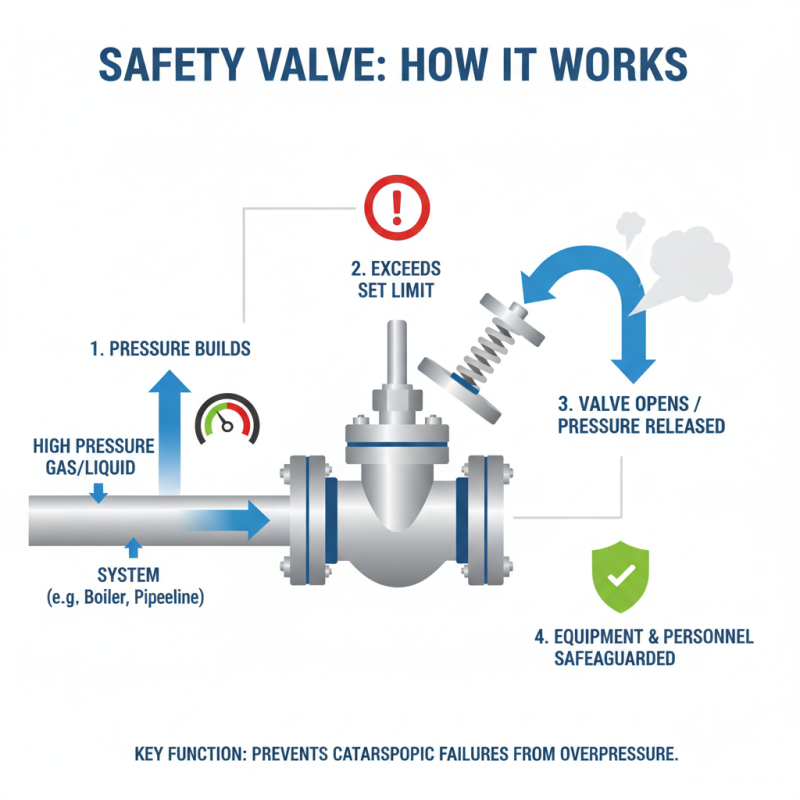
When selecting a safety valve, understanding its functionality is crucial. A safety valve acts as a safeguard against excessive pressure. It helps to prevent catastrophic failures in various systems, such as boilers and pipelines. The valve opens when the pressure exceeds a predetermined limit. This action relieves pressure, ensuring the safety of both equipment and personnel.
Incorrectly sizing or selecting a safety valve can lead to issues. For instance, an oversized valve may not open at the correct pressure. Conversely, an undersized valve can lead to dangerous pressure build-up. Different applications have unique requirements. Factors such as temperature, pressure range, and media type must be considered carefully.
Recognizing the importance of a safety valve is essential for all industries. Regular testing and maintenance are often overlooked, yet these practices ensure reliability. Skipping these steps can have severe consequences. The cost of negligence in this area is far too high. Understanding the balance between cost and functionality is vital for making informed decisions in safety valve selection.
Identifying Key Application Requirements for Safety Valves
Choosing the right safety valve involves understanding your specific application needs. A safety valve's primary role is to protect equipment and personnel from overpressure situations. The first step is identifying operating conditions. This includes pressure, temperature, and flow rates. Make sure to analyze medium properties too.
Next, consider the environment where the valve will be installed. Is it a corrosive atmosphere? Or maybe high humidity? These factors affect material selection. Remember, not all materials withstand harsh conditions. It’s crucial to conduct a thorough environment assessment.
Think about maintenance access as well. If a valve is hard to reach, it may lead to neglect. Regular checks are essential for safety equipment. Reflect on your system's design and how the valve fits in. Sometimes, the best choice might not be the obvious one. Prioritizing long-term reliability over nominal cost can yield better results.
Evaluating Different Types and Materials of Safety Valves
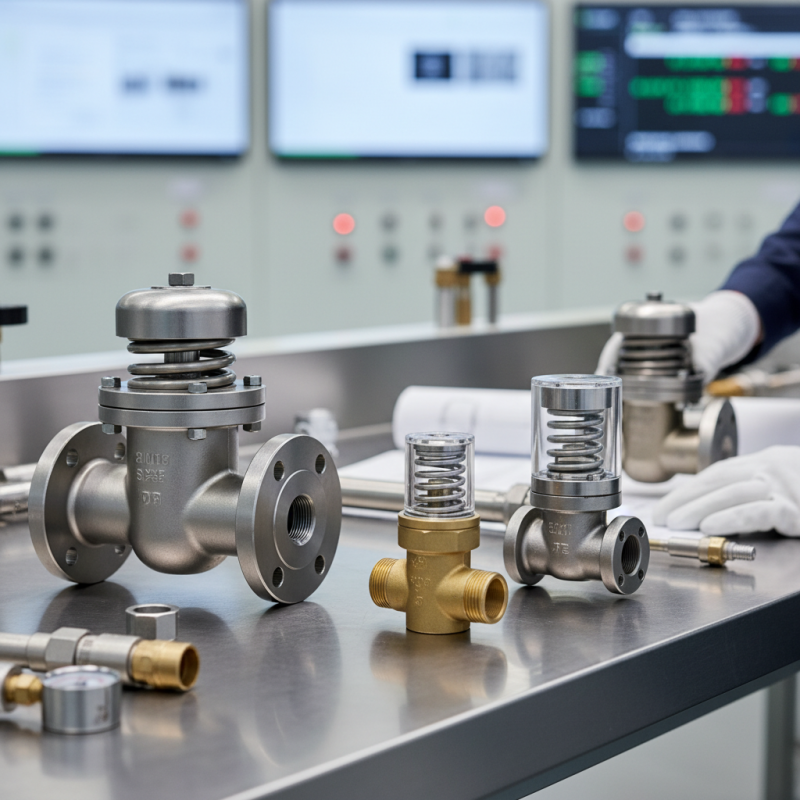
When selecting a safety valve, the type and material play crucial roles in performance. Different applications require specific designs. For instance, a spring-loaded safety valve is common in process industries. They are reliable and offer quick response times. According to a recent industry report, failure rates for improperly selected valves can be as high as 25%. This underlines the importance of careful evaluation.
Materials also affect valve functionality. Stainless steel is often the material of choice for corrosive environments. It provides durability and resistance to wear. A study shows that using the wrong material can lead to premature failures, costing businesses up to 30% in maintenance. On the other hand, brass valves might suit less demanding applications but can corrode over time. Careful consideration is necessary.
It's essential to understand pressures and temperature ranges encountered in your system. Safety valves rated for higher pressures can be beneficial, but are often more expensive. However, operating with an inadequate valve can lead to catastrophic failures. The right choice requires balancing cost and safety. Testing various options before finalizing can help mitigate risks.
Safety Valve Selection Criteria
This chart illustrates the performance ratings of different types of safety valves based on key selection criteria relevant to various applications. When choosing a safety valve, consider factors such as pressure ratings, material compatibility, and response time to ensure safety and efficiency.
Analyzing Pressure and Temperature Ratings for Optimal Selection
When selecting a safety valve, understanding pressure and temperature ratings is crucial. Different applications have unique requirements. A safety valve must withstand the maximum pressure and temperature in your system. Always consider the environment in which the valve will operate. A valve's rating should align closely with system conditions to ensure optimal performance.
Tips: Always check the manufacturer's specifications. Ensure compatibility with your fluid type. A mismatch can lead to failures.
Another aspect to reflect on is the consequences of incorrect selection. Using a valve that exceeds the temperature range can lead to material fatigue or failure. This can result in safety risks and costly downtime. Regular maintenance and inspections are essential. They can help identify potential issues early.
Tips: Schedule routine checks on your safety valve. Look for signs of wear or fatigue. This proactive approach can prevent disasters.
Considering Installation and Maintenance Factors for Safety Valves
When selecting a safety valve, installation and maintenance are crucial factors. Proper installation ensures the valve operates effectively. It is vital to follow the manufacturer's guidelines. Make sure the piping is correctly aligned. A poor setup can lead to leaks or failures.
Routine maintenance cannot be overlooked. Regular inspection helps identify wear or corrosion. This could affect the valve's performance. It's essential to clean and service the valve periodically. Neglecting maintenance might result in costly repairs.
Tips: Always document maintenance activities. This can aid future assessments. Consider the environment where the valve is installed. Harsh conditions may demand more frequent maintenance. Evaluate the accessibility of the valve for servicing. Difficult-to-reach installations can complicate maintenance tasks. Keep these factors in mind when choosing your safety valve.
 North American Safety Valve Industries, Inc.