Essential Tips for Sourcing Stainless Tube Mills Efficiently
In the competitive landscape of manufacturing, sourcing equipment for Stainless Tube Mills demands precision and insight. Experts like John Smith, a leader in metal fabrication, emphasize, "Choosing the right mill can significantly impact production quality." His words resonate with many who navigate this industry.
Understanding the nuances of Stainless Tube Mills involves evaluating various factors. One must consider mill specifications, material types, and supplier reliability. Additionally, the importance of technical support cannot be overlooked. Selecting a mill without thorough research can lead to costly mistakes.
Today, as demand for stainless tubing rises, staying informed is crucial. With evolving technologies, manufacturers must adapt their sourcing strategies. Engaging with industry experts and seeking out informed advice can provide a clearer path. Ultimately, effective sourcing of Stainless Tube Mills not only enhances production but also ensures long-term success in a challenging market.
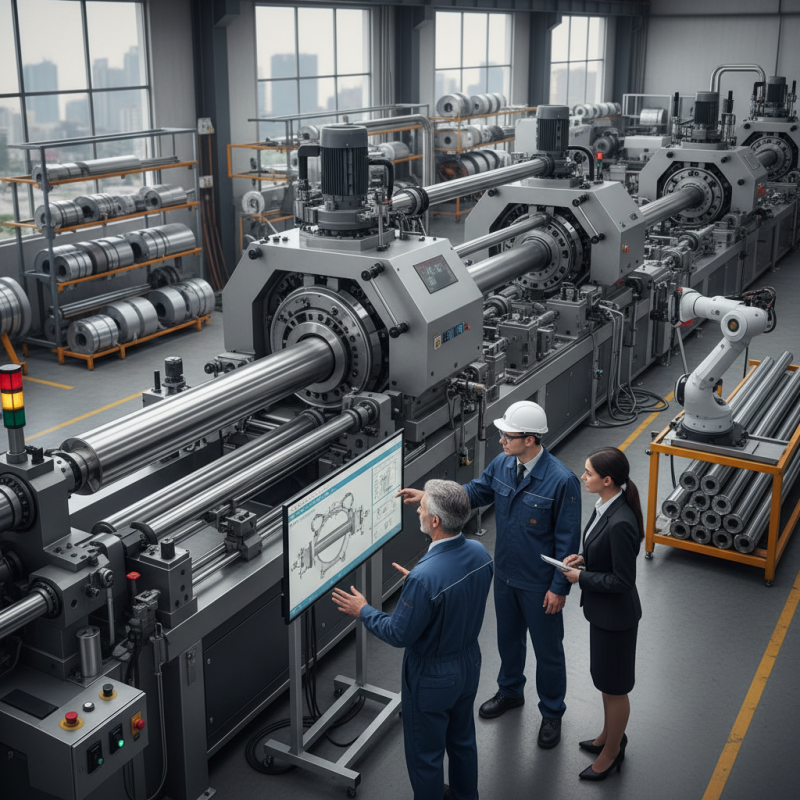
Understanding the Importance of Stainless Tube Mills in Manufacturing
Stainless tube mills play a crucial role in various manufacturing sectors. Their ability to produce high-quality stainless steel tubes makes them indispensable in industries like construction and automotive. The materials produced are known for their durability and resistance to corrosion. This enhances the performance and longevity of finished products.
Selecting the right stainless tube mill can be challenging. Many factors influence the decision, such as production capacity and technology used. It is essential to assess the supplier’s expertise and reliability. Some mills may offer lower prices but lack quality assurance. This can lead to costly errors down the line.
Additionally, understanding the specific requirements of your project is vital. Not all stainless tubes are created equal. Mechanical properties, dimensions, and surface finishes vary widely. This variability can affect the final application. Engaging with experts in the field can provide valuable insights. They can guide you through the selection process and help avoid common pitfalls.
Key Factors to Consider When Sourcing Stainless Tube Mills
When sourcing stainless tube mills, it's vital to consider several key factors. Understanding your specific needs is crucial. This includes the intended application, desired dimensions, and material specifications. Each project can have unique requirements. Make a checklist to ensure no detail is overlooked.
Quality should never be compromised. Look for manufacturers with a track record. Request samples to assess their output. Don't hesitate to ask for certifications or quality assurance processes. Remember the importance of after-sales support. It can significantly impact your long-term operations.
Tip: Consider engaging with industry forums. This can provide insights into potential suppliers and their reputations. Seek recommendations from peers. Often, personal experiences can guide better decisions.
Another tip: stay up-to-date with technological advancements. Innovations in stainless tube production can influence efficiency and cost. Explore how these technologies can benefit your sourcing process. Asking the right questions during your research can help you make informed choices. A thoughtful approach leads to better sourcing outcomes.
Evaluating the Quality Standards of Stainless Tube Mills
When evaluating the quality standards of stainless tube mills, it is essential to consider several key factors. The American Society for Testing and Materials (ASTM) provides rigorous guidelines for stainless steel production. Mills must adhere to these standards to ensure the product's durability and reliability. Data shows that mills meeting these specifications usually experience fewer defects. According to a recent industry report, approximately 15% of stainless tube products fail to meet quality benchmarks.
Quality control processes within these mills are paramount. Inspections should include checks for dimensional accuracy and surface finish. A survey highlighted that 30% of customers found product inconsistencies in surface quality. This is a critical area for improvement. Investing in advanced testing methods can mitigate these issues significantly.
To enhance selection efficiency, consider the following tips:
1. Request detailed quality assurance documents.
2. Visit the mill to observe operational practices firsthand.
3. Engage with previous customers to gain insights on their experience.
These steps can greatly enhance the sourcing process, ensuring a reliable partnership with stainless tube mills in the long term.
Essential Tips for Sourcing Stainless Tube Mills Efficiently - Evaluating the Quality Standards of Stainless Tube Mills
| Dimension | Material Grade | Standard Compliance | Production Capacity (tons/year) | Lead Time (weeks) |
| 16mm x 2mm | 304 | ASTM A554 | 5000 | 6 |
| 25mm x 3mm | 316L | EN 10217-7 | 3000 | 8 |
| 50mm x 5mm | 321 | API 5L | 2000 | 10 |
| 76mm x 4mm | SUS 430 | JIS G 3463 | 1000 | 12 |
| 100mm x 8mm | Duplex 2205 | ASTM A789 | 1500 | 15 |
Strategies for Establishing Relationships with Tube Mill Suppliers
Building strong relationships with tube mill suppliers is crucial for efficiency in sourcing stainless tube mills. Trust plays a significant role in these partnerships. According to a recent industry report, nearly 70% of buyers prioritize reliable communication with suppliers. This finding underscores the importance of establishing rapport and transparency. Engaging in regular dialogues can help both parties understand expectations and capabilities better.
One effective strategy is to visit suppliers’ facilities. This creates a personal connection and allows for direct observation of manufacturing processes. Observing operations can reveal strengths and areas for improvement. Additionally, sharing technical insights fosters collaboration. Understanding the challenges suppliers face can enhance mutual respect and problem-solving.
Tips: Always maintain clear contracts. Written agreements prevent misunderstandings. Regular follow-ups also keep the communication lines open. Building a network can help identify trustworthy suppliers. Joining industry forums or groups can provide invaluable insights. Having contacts in various mill operations helps in navigating sourcing challenges. Relying solely on one supplier can lead to vulnerabilities. Diversifying sources may require more effort but offers security.
Cost Management Tips for Efficient Sourcing of Tube Mills
When sourcing stainless tube mills, cost management is a critical factor. Industry reports indicate that manufacturing costs can comprise up to 70% of the overall expenses. Understanding these costs helps buyers make informed decisions. Focus on aspects like raw material prices, labor costs, and energy efficiency. The price of stainless steel fluctuates based on global market trends. Any delays in procurement can lead to increased costs due to price volatility.
Moreover, consider the supply chain. A study by the Institute for Supply Management suggests that managing supplier relationships can yield significant savings. Establishing long-term contracts may provide price stability. Transparency in pricing is essential. Suppliers should disclose their pricing structures to foster trust and minimize hidden costs.
One area for reflection is the tendency to prioritize low costs over quality. Cutting corners on material specifications can lead to inferior products. This might save money initially but could result in higher maintenance costs and reduced efficiency in the long term. Ensure that quality control measures are in place to avoid these pitfalls.
 North American Safety Valve Industries, Inc.