
Top Fertilizer Granulation Methods for Global Buyers

Fertilizer Granulation helps convert fine powders into more manageable particles for storage, transport, and field application. For global buyers, the right method depends on the material, target capacity, and desired granule properties—not just the equipment price. Common options include rotary drum and pan granulation, extrusion, and compaction. Each handles moisture and feedstock differently. Details matter.

A drum can suit continuous, high-volume production, while a pan offers a visible way to adjust granule size and growth. Extrusion and compaction may be useful when formulations or moisture levels make other routes less suitable. These are starting points, not guarantees. Granule strength, particle-size distribution, dust levels, and nutrient release should be checked against the intended use. A sample that looks uniform may still break during handling.

Buyers can compare suppliers by requesting process data, representative product samples, and trial results using a similar formulation. Ask about throughput, energy and water needs, binder use, maintenance access, and cleaning between runs. A polished brochure is not enough. Actual performance can vary with feedstock and operating conditions, and published figures may not match a buyer’s plant. That is worth questioning. A careful comparison of process fit, service support, and verified output can help buyers shortlist practical granulation methods without assuming one solution works everywhere.
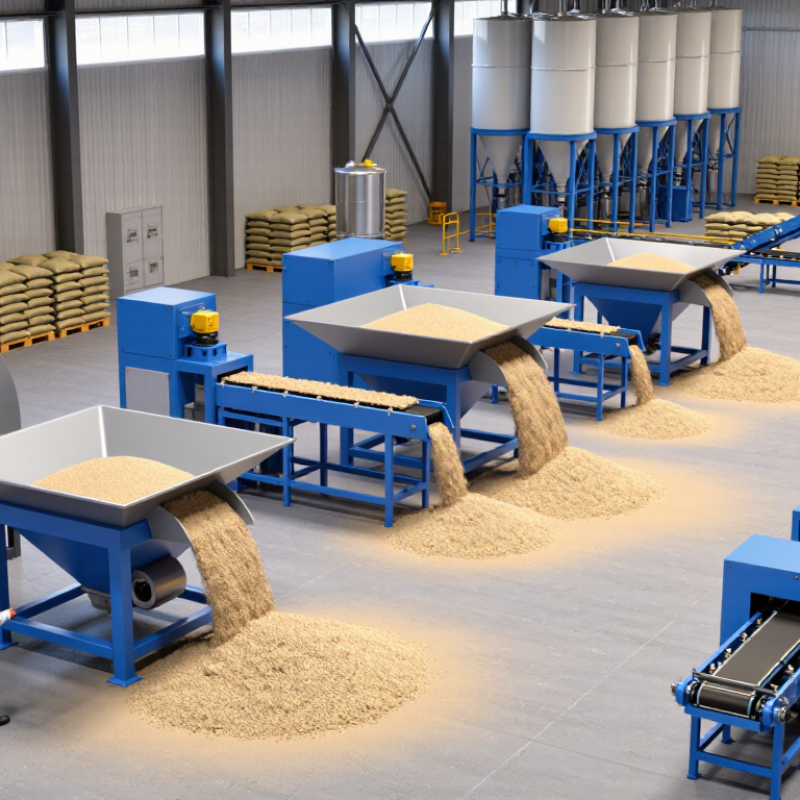
Top Fertilizer Granulation Methods for Global Buyers

How Fertilizer Granulation Works

Fertilizer granulation converts fine powders into larger, easier-to-handle particles. The aim is steady size, strength, and nutrient distribution, not simply making pellets. In a rotating drum or pan, particles tumble and collide. Water or a liquid binder helps fine material cling to small nuclei. Layers build gradually. That is the basic mechanism.

Wet granulation relies on moisture and often needs a drying step. Operators adjust liquid addition, rotation speed, and residence time while watching how the material rolls. Too much liquid makes sticky lumps. Too little leaves dusty, weak granules. Dry compaction instead presses powder into sheets or flakes, which are then crushed and screened. Extrusion is another option: damp material passes through openings and is cut into short pieces. Each method responds differently to the feed’s moisture, particle size, and composition.

After forming, granules are dried when needed, cooled, and screened to separate usable sizes. Oversized pieces can be crushed, while fines may return to the process. A sieve test and a simple drop check reveal useful information, though neither tells the whole story. Real batches can behave differently from a small trial; that part is easy to underestimate. Pilot runs help identify weak spots before settings are scaled up.

Key Feedstock and Product Requirements

Feedstock quality defines the granulator’s working window. Buyers should request assays for nutrient content, moisture, particle-size distribution, acidity, and impurities before selecting a process. Powder that looks uniform may still contain wet pockets or coarse particles. These can cause uneven granules, unstable throughput, and excess fines. Check binder compatibility and recycled-material proportions with a representative trial batch. Small differences matter.

The International Fertilizer Association’s 2023 Short-Term Fertilizer Outlook estimated global fertilizer consumption at about 192.5 million tonnes of nutrients in 2022/23. That scale makes consistent product specifications important across markets. Buyers commonly specify a 2–4 mm size range, but crop, spreading equipment, and local customer requirements should determine the final target. Set limits for moisture, crushing strength, dust, and the share of off-size granules. Ask for test results after screening and simulated handling, not just at the granulator outlet. A hard-looking granule may still abrade in a bag. This is easy to overlook. IFA’s market outlook provides demand context; it does not replace feedstock testing or product trials. A pilot run can reveal problems that a specification sheet misses.

Major Fertilizer Granulation Methods

Major fertilizer granulation methods differ in moisture use, equipment, and particle shape. In pan granulation, a rotating, tilted disc rolls fine powder into layered granules. Operators adjust liquid feed and disc angle to influence particle size. It suits flexible production, but uneven wetting can create excess fines. Drum granulation uses a rotating cylinder and is often selected for continuous, larger-scale output. Both methods commonly recycle off-size material.

Compaction forms dense sheets or flakes between rollers, then crushes and screens them. It avoids liquid addition, which can help with moisture-sensitive formulations. Prilling instead drops molten material through a tower, where droplets cool into rounded particles. Fluid-bed granulation sprays binder onto moving particles while air dries them. It offers close process control, but requires careful management of heat and airflow. There is no universal winner.

The International Fertilizer Association’s Short-Term Fertilizer Outlook 2024 projected global fertilizer use at about 205 million tonnes of nutrients in 2024/25. That scale makes throughput important, but it does not determine the best process for a specific plant. The UNIDO/IFDC Fertilizer Manual describes granulation and related process considerations, including particle formation and screening. Pilot runs expose surprises. A small change in feed moisture can alter granule strength, dust, and the amount returned for recycling.

Top Fertilizer Granulation Methods for Global Buyers – Major Fertilizer Granulation Methods

Method How It Works Common Fertilizer Applications Typical Advantages Key Considerations Best Fit When
Rotary Drum Agglomeration Powdered or fine materials tumble in a rotating drum while liquid, binder, or recycled fines help particles form and grow into granules. NPK compound fertilizers and other blended or compound granular fertilizers. Suitable for continuous processing and a broad range of formulations; can handle substantial material throughput. Granule size and strength depend on feed preparation, moisture, binder, drum operation, and recycle balance. Drying and screening are commonly part of the process. Continuous production of compound fertilizer where flexible formulation and established process equipment are priorities.
Disc (Pan) Granulation Powder and liquid feed are mixed on a tilted rotating disc. Rolling particles grow into granules and are discharged when they reach the desired size range. NPK, organic fertilizers, and other materials that can be agglomerated with suitable moisture or binder. The open process makes granule growth visible and allows operators to adjust operating conditions; often useful for flexible or smaller-scale production. Product consistency depends on feed properties, moisture, disc angle, rotation, and operator control. Downstream drying and screening may be required. Plants seeking an adjustable agglomeration process or producing several formulations on a suitable production scale.
Extrusion Granulation Conditioned material is forced through openings in a die to form strands or shaped particles, which are then cut or broken to size. Some processes use moist feed; others use compacted material. Compound fertilizers and selected organic or blended fertilizer formulations, depending on feed properties and equipment configuration. Can produce defined particle shapes and may avoid a separate rotary granulation step. Process design can be adapted to the material being handled. Feed moisture, composition, die design, and operating pressure affect product quality. Wear, cleaning, and particle-size control should be assessed. A suitable choice when the formulation can be reliably extruded and a specific granule shape or process arrangement is desired.
Roller Compaction Dry powder is pressed between rollers into a compacted sheet or flakes, then crushed and screened into granules. Fines may be recycled. Dry-compacted fertilizer blends and selected salts or fertilizer materials that can be compacted without excessive loss of product quality. Typically uses little or no added process water and can reduce the need for a wet-granulation drying stage. Compaction behavior varies by material. Granule strength, fines generation, roller pressure, and recycle rate need to be evaluated for each formulation. Dry processing is important and the fertilizer feed has suitable compaction characteristics.
Prilling Molten fertilizer is formed into droplets, which solidify while falling through a cooling tower. Prilling forms particles from a melt rather than by agglomerating powder. Urea and ammonium nitrate products, where the material and process are designed for melt-based particle formation. Produces approximately spherical particles through a continuous melt-to-solid process. Requires melt handling and appropriate cooling and tower systems. Prills and granules can differ in size, strength, and handling behavior, so product specifications matter. Melt-based production is suitable and the target product specification accepts prilled fertilizer.
Fluidized-Bed Granulation Air suspends particles in a processing chamber while liquid feed is sprayed onto them. Repeated coating and drying build particle size; equipment designs vary. Selected fertilizer salts and compound fertilizer formulations that are compatible with the chosen fluidized-bed process. Combines particle movement with controlled heat and mass transfer; can support granule growth and drying in an integrated process. Requires careful control of air flow, temperature, spray rate, and feed properties. Suitability depends on the material and desired product characteristics. A process with integrated particle growth and drying is advantageous and the feed can be processed reliably in a fluidized bed.

Buyer note: Method suitability depends on fertilizer formulation, feed moisture and particle properties, target size and strength, production rate, utilities, and local environmental requirements. Confirm product specifications and conduct material trials before selecting equipment.

Comparing Equipment, Capacity, and Operating Costs

Top Fertilizer Granulation Methods for Global Buyers

Pan granulators suit flexible production and frequent formula changes. Operators can adjust the angle and rotation speed, but need skilled control to maintain consistent granules. Rotary drums handle higher, steadier throughput and tolerate variable feed, though their larger footprint and recycle loads can raise energy and handling costs. Compaction uses pressure instead of a wet slurry, reducing drying needs. It can, however, require extra crushing and screening.

Capacity alone can mislead. FAO’s 2024 fertilizer outlook estimated global nutrient use at 200.5 million tonnes that year, up 2.2% from 2023. That demand supports investment, but does not guarantee any plant’s utilization. Compare installed capacity with realistic operating hours, product changeovers, drying fuel, power, labor, and maintenance. A drum line may win at continuous high volume; a pan or compactor may suit smaller, varied batches. This comparison is not perfectly tidy: feed moisture and particle size can shift output and costs more than headline ratings suggest.

Tips: Request trial results using your actual feed. Check granule size distribution, recycle ratio, energy use per tonne, and cleaning time. Small details matter. Include downtime and spare-part access in the cost estimate.

How Global Buyers Choose a Granulation System

Global buyers should choose a granulation system around the material they actually handle, not a brochure’s ideal feedstock. Moisture, particle size, acidity, and recycled content can all affect granule formation. A rotary drum often suits continuous, higher-volume production, while a pan offers visible control over particle growth. Extrusion may fit certain dry or heat-sensitive mixes. The right choice depends on trials. Small differences matter.

Ask suppliers to process representative feed samples and record granule-size distribution, production rate, dust, and energy use. Check whether the system can handle seasonal changes in moisture or formulation. A line that performs well with dry material may struggle after a humid delivery. That matters. Request operating data under comparable conditions, and clarify how screens, liners, and other wear parts are maintained. These details affect downtime and operating cost.

A common planning mistake is trusting a single capacity figure. Real output can vary with feed preparation, operator practice, and product specifications. Buyers should also compare water demand, heat requirements, floor space, and access for cleaning. A lower purchase price may not mean lower lifetime cost. Pilot tests reduce uncertainty, though they cannot reproduce every condition at a full-scale site. Record assumptions, then revisit them with production staff before final equipment selection.

Top Fertilizer Granulation Methods for Global Buyers

How Global Buyers Choose a Granulation System

Particle-size targets are commonly around 2–4 mm for granular products; prilled products are often smaller. Actual ranges depend on the formulation, equipment setup, and market specification. Buyers should compare feed properties, required output, energy use, and operating costs before choosing a system.