What is a High Pressure Relief Valve and How Does It Work?
A high pressure relief valve is a critical component in various industrial applications. It prevents overpressure situations that could lead to equipment failure or unsafe conditions. Understanding how this device operates is essential for ensuring safety and efficiency in systems that handle high pressures.
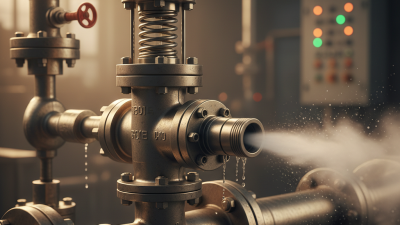
When pressure in a system increases beyond safe levels, the high pressure relief valve activates. It opens to allow excess pressure to escape, protecting pipelines and machinery. This mechanism is vital in industries such as oil and gas, water treatment, and power generation.
The design and functioning of high pressure relief valves vary, but their role remains the same. These valves must be reliable and precise. Regular maintenance is necessary to ensure they function correctly. It's important to reflect on the implications of valve malfunction, as that can lead to costly damages or hazardous situations.
What is a High Pressure Relief Valve?
High pressure relief valves are critical components in many industrial applications. They protect equipment from excessive pressure that could lead to catastrophic failures. Typically, these valves open to release pressure when it exceeds a preset limit, ensuring system integrity and safety. According to industry reports, over 70% of equipment failures are due to pressure-related issues. Thus, understanding how these valves work is essential for maintenance and reliability.
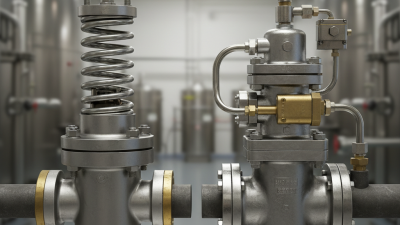
These valves operate using a spring-loaded mechanism. When pressure builds up, it pushes against the valve seat. Once the pressure surpasses the spring force, the valve opens, allowing fluid to escape. This process helps maintain the necessary pressure levels within the system. Miscalibrated valves can lead to over-pressurization. In a recent survey, it was found that improper settings accounted for 40% of pressure-related incidents in manufacturing.
Tips: Regular inspection of your high pressure relief valves is crucial. Check for signs of wear or corrosion. Ensure the calibration is precise. Also, keep an eye on operating conditions. Extreme temperatures can affect valve performance. Maintaining these components can significantly reduce the risk of failures.
What is a High Pressure Relief Valve and How Does It Work?
| Feature |
Description |
| Function |
Prevents excessive pressure build-up in systems |
| Common Applications |
Oil and gas, chemical processing, water systems |
| Types |
Spring-loaded, pilot-operated, rupture disks |
| Working Principle |
Relieves excess pressure by opening at a preset level |
| Maintenance |
Regular checks for wear and tear, calibration |
| Safety Standards |
Must meet industry regulations such as ASME |
Key Components of High Pressure Relief Valves
High pressure relief valves are critical components in many industrial systems. They prevent excessive pressure buildup, which can lead to dangerous situations. Understanding their key components is essential for effective operation and maintenance.
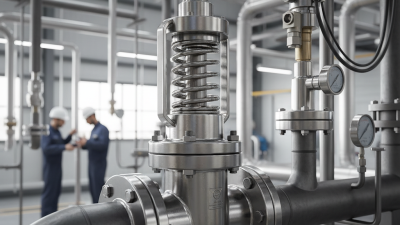
The primary component of a high pressure relief valve is the spring. This spring is calibrated to a specific pressure. When the set pressure is reached, the spring compresses and allows the valve to open. Another essential part is the seat, which creates a sealing surface. A properly functioning seat ensures no leaks under normal operating conditions. The valve body, often made from durable materials, houses these components securely.
Additionally, the actuator plays a role in the valve’s operation. It responds to pressure changes and aids in opening or closing the valve. Over time, factors like wear and tear can affect these components. Regular inspections and maintenance are crucial. A neglected valve might not function correctly, leading to costly failures. Consider using visual inspections to identify signs of wear.
How High Pressure Relief Valves Function Mechanically
High pressure relief valves are critical in maintaining system safety and operational efficiency. They prevent excess pressure from causing damage to equipment. These valves function mechanically through a simple yet robust design. When pressure reaches a predetermined set point, the valve opens, releasing fluid and reducing pressure. This process is vital in domains like oil and gas, where stats show that 60% of equipment failures occur due to overpressure situations.
Mechanically, high pressure relief valves use a spring-loaded mechanism. The spring holds the valve closed under normal conditions. When pressure builds up, the force overcomes the spring tension, allowing the valve to open. Data from industry reports indicate that properly maintained valves can prevent over 70% of potential accidents. However, even minor wear can impact performance significantly. Many facilities overlook routine checks, leading to safety risks.
Moreover, the valve's response time is crucial. A valve that opens too late can result in catastrophic failures. In some studies, delays of just milliseconds have indicated failures caused by faulty valves. This highlights the importance of regular maintenance and inspection. Understanding these functions mechanistically ensures that safety remains a priority in pressure systems across various industries.
Applications and Importance of High Pressure Relief Valves
High pressure relief valves are crucial for ensuring safety in various industrial applications. They act as a safety mechanism, preventing equipment damage by releasing excess pressure that could lead to catastrophic failures. According to a report by the National Institute for Occupational Safety and Health (NIOSH), improper pressure management is a leading cause of industrial accidents, accounting for approximately 25% of all equipment-related incidents.
These valves find extensive use in sectors such as oil and gas, chemical manufacturing, and power generation. In oil refineries, for example, high pressure relief valves protect storage tanks and pipelines by venting excess pressure. The American Society of Mechanical Engineers (ASME) estimates that properly maintained valves can reduce the risk of pressure-related explosions by up to 70%. Regular inspections are essential as fields show that about 30% of relief valves are found to be malfunctioning during routine checks.
While high pressure relief valves enhance safety, they also require regular maintenance. Without proper attention, these devices can become unreliable. A study published in the Journal of Loss Prevention in the Process Industries highlighted that 15% of accidents were linked to valve failure caused by neglect. This emphasizes the need for proactive measures in valve monitoring and maintenance plans to safeguard both personnel and equipment.
Maintenance Tips for High Pressure Relief Valves
High pressure relief valves (HPRVs) are crucial for ensuring safety in various applications. Regular maintenance is essential to keep them functioning properly. A neglected valve can lead to catastrophic failures. Checking the valve’s operation at regular intervals helps maintain its reliability. It is essential to inspect the seals and seats. Wear and tear can lead to leaks, compromising safety.
Cleaning the valve is another key aspect of maintenance. Dust and debris can hinder performance. Use soft brushes to avoid damage. Lubricate moving parts as needed to prevent corrosion. Regularly test the valve against its specifications. If a valve doesn't open or close correctly, it may need immediate attention.
Documentation of each maintenance activity is vital. This builds a history that can inform future inspections. Relying on memory alone can lead to oversights. Consider using a maintenance log. Small issues should not be ignored, as they can escalate. By prioritizing maintenance, you ensure the valve operates correctly when it matters most.
 North American Safety Valve Industries, Inc.