Top Quality Stainless Hydraulic Tubing for Global Suppliers?
The global demand for Stainless Hydraulic Tubing continues to surge, driven by the rapid expansion of industries such as automotive, aerospace, and energy. According to recent market research, the stainless steel hydraulic tubing market is expected to grow at a CAGR of 6% from 2021 to 2027. This growth highlights the increasing reliance on high-quality materials that can withstand extreme pressure and corrosion.
Stainless Hydraulic Tubing is renowned for its durability and longevity. It offers superior resistance to rust and wear, making it an ideal choice for demanding applications. However, not all suppliers maintain the same standards. The industry faces challenges, including inconsistencies in product quality and supplier reliability. Inadequate testing and certification processes can undermine the performance of hydraulic systems.
The selection of high-quality Stainless Hydraulic Tubing is critical. It not only improves system efficiency but also enhances safety. Companies must evaluate their suppliers carefully, ensuring they adhere to industry standards and best practices. This scrutiny is essential for long-term operational success. The path forward requires continuous improvement and robust quality assurance protocols.
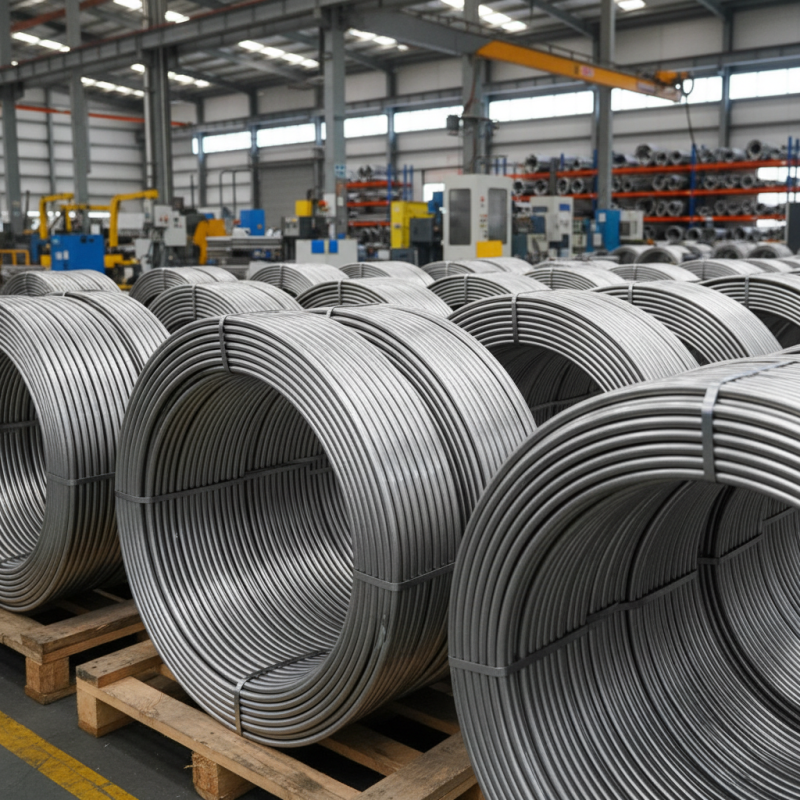
Overview of Stainless Hydraulic Tubing and Its Applications
Stainless hydraulic tubing plays a vital role in various industrial applications. Its corrosion resistance makes it ideal for harsh environments. Industries like automotive, construction, and marine depend on its durability. This tubing often transports fluids under high pressure. Its lightweight nature reduces stress on systems.
Proper handling of this tubing is crucial. Always ensure that the ends are capped to prevent contamination. It is also essential to store the tubing in a clean, dry area. Any moisture can lead to rust, undermining the tubing's strength. Inspecting for dents and bends before installation can prevent future issues.
When selecting stainless hydraulic tubing, consider both the material grade and dimensions. Higher grades offer better resistance to rust and are more cost-effective in the long run. While purchasing, engage with suppliers who have a proven track record in the industry. Their expertise can guide you to make informed decisions. Be wary of overly cheap options that may compromise quality.
Key Specifications and Standards for Quality Stainless Hydraulic Tubing
When selecting stainless hydraulic tubing, key specifications and standards are crucial. The tubing must meet high-quality standards for performance and safety. Common specifications include ASTM A269 and ASTM A312. These standards ensure that the tubing can withstand high pressures and resist corrosion.
Quality stainless hydraulic tubing should also have precise dimensions and tolerances. Typically, the diameter and wall thickness need to be tightly controlled. This precision helps maintain a consistent flow and pressure within hydraulic systems. Companies must regularly check these specifications to avoid unexpected failures.
In addition, testing methods play a significant role in assessing quality. Hydrostatic testing is commonly used to verify the strength of the tubing. However, sometimes, slight imperfections can go undetected. It’s vital for suppliers to implement rigorous inspection processes. Continuous improvement in quality control helps build trust among global suppliers.
Major Global Suppliers of Stainless Hydraulic Tubing
Stainless hydraulic tubing is essential for various industries, including automotive and aerospace. These tubes provide high strength and resistance to corrosion. Choosing the right supplier can significantly impact project quality. Many factors influence the performance of hydraulic tubing, making expertise in material selection crucial.
The global market has several reputable suppliers of stainless hydraulic tubing. These suppliers excel in producing high-grade materials. However, not every supplier meets the same standards. It’s vital to evaluate their manufacturing processes and certifications. Quality control is a major consideration in this field.
Tips for selecting a supplier include checking their experience in the industry. A company with a proven track record is likely to meet your needs effectively. Additionally, consider suppliers that offer customization options. This flexibility can improve performance for specific applications. Look for transparent communication as well. A reliable supplier should be responsive and provide clear information throughout the process.
Benefits of Using Stainless Steel for Hydraulic Tubing
Stainless steel has gained popularity in hydraulic tubing due to its unique properties. Its corrosion resistance makes it ideal for various environments. Hydraulic systems often face challenges from moisture and chemicals. Using stainless steel helps in maintaining system integrity over time.
The strength-to-weight ratio of stainless steel is impressive. It can withstand high pressures while remaining lightweight. This quality is critical in applications where space and weight are key considerations. Moreover, stainless steel's durability reduces the need for frequent replacements. This saves both time and costs in maintenance.
**Tips:** Regular inspection of hydraulic tubing can prevent unexpected failures. Always choose the correct grade of stainless steel for your application. Consider environmental factors when selecting materials.
Despite its advantages, stainless steel may not be perfect for every situation. It can be more expensive than other materials like carbon steel. Additionally, welding and machining can present challenges. Careful planning is necessary to avoid costly mistakes. Choosing stainless steel requires thorough evaluation.
Top Quality Stainless Hydraulic Tubing for Global Suppliers - Benefits of Using Stainless Steel for Hydraulic Tubing
| Dimension (Inches) | Material Grade | Maximum Pressure (psi) | Corrosion Resistance | Typical Applications |
| 1/4 | 316L | 6000 | Excellent | Marine, Aerospace |
| 3/8 | 304 | 5000 | Good | Automotive, Industrial Equipment |
| 1/2 | A213 TP304L | 4000 | Very Good | Oil & Gas, Chemical Processing |
| 3/4 | 316 | 3000 | Excellent | Pharmaceutical, Food Industry |
| 1 | S32205 | 15000 | Outstanding | Marine Structures, Heavy Industry |
Future Trends in Stainless Hydraulic Tubing Manufacturing and Supply
The manufacturing landscape for stainless hydraulic tubing is evolving. As the demand for high-quality tubing grows, suppliers are adapting to changing market needs. Advanced technologies are being implemented to enhance production efficiency. However, the challenge of maintaining quality remains a critical focus. Companies must balance innovation with reliability.
Sustainability is another emerging trend. Manufacturers are increasingly using recycled materials. This shift not only impacts costs but also addresses environmental concerns. Yet it raises questions about long-term durability and performance. Are recycled materials meeting industry standards?
The supply chain is also undergoing transformation. Global disruptions have highlighted vulnerabilities. Many suppliers are now considering local sourcing to reduce risks. This can lead to better control over quality, but it requires careful planning and investment. How will these trends shape the future of stainless hydraulic tubing? The answers lie in continuous reflection and adaptation.
 North American Safety Valve Industries, Inc.