Top 10 Girder Cranes Suppliers for Global Buyers
Girder Cranes remain essential in factories, steel plants, shipyards, warehouses, and infrastructure projects. Their appeal is practical: a bridge spans the workspace, while an electric hoist moves steel coils, molds, engines, or fabricated frames with controlled precision. Global demand is also gaining attention. Fortune Business Insights valued the global overhead crane market at approximately US$4.76 billion in 2023 and projects continued growth through 2032. Mordor Intelligence estimates a different market size and growth path. The difference matters. Definitions, regions, and product categories are not consistent.
This guide, “Top 10 Girder Cranes Suppliers for Global Buyers,” therefore looks beyond impressive catalogs. It considers lifting capacity, single-girder and double-girder configurations, duty classification, control systems, maintenance support, spare-parts access, delivery capability, and documented quality procedures. Buyers should examine real operating details, such as a 10-ton crane running eight hours daily in a dusty foundry. A glossy brochure cannot replace that evidence.
According to lifting-equipment specialist and author Mark Bridger, “A crane’s value is measured by safe, reliable performance, not by its rated capacity alone.” That principle should guide every comparison. Supplier reputation is useful, but site conditions, load cycles, headroom, runway alignment, and operator training can change the final decision. No ranking is perfect. Some manufacturers disclose more technical information than others. Global buyers should verify certifications, inspection records, warranty terms, installation responsibilities, and local service coverage before signing a purchase agreement. This cautious approach supports safer procurement and more dependable Girder Cranes performance.
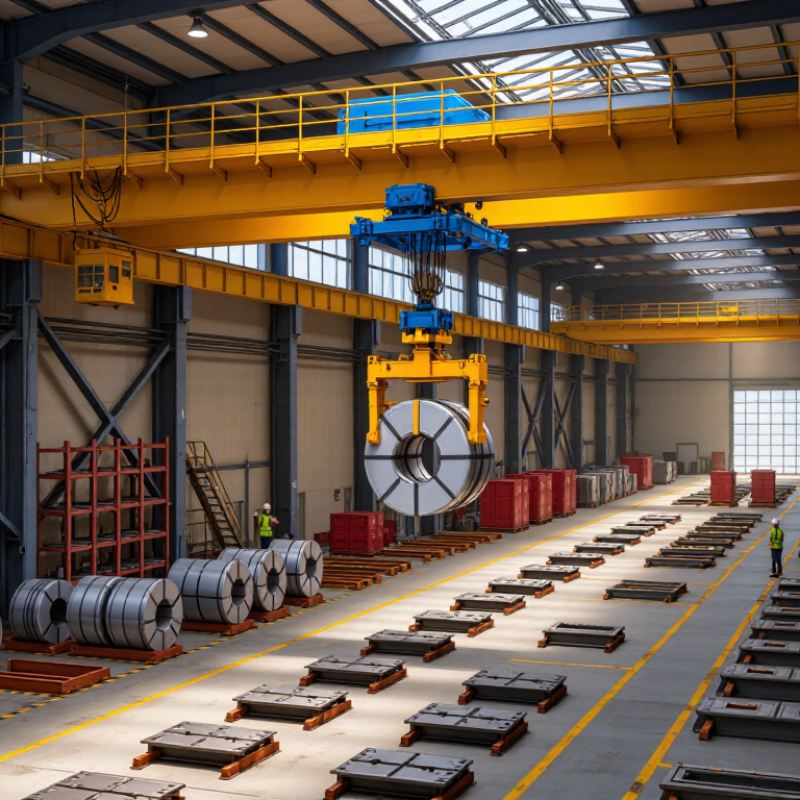
Girder Cranes: Definition, Types, and Main Industrial Applications
Girder cranes are overhead lifting systems designed to move heavy loads across a defined workspace. A bridge travels along runway rails, while a trolley moves across the bridge. The hoist raises and lowers the load. In a fabrication shop, this may mean moving a 5-ton steel frame from welding to painting. Clear load paths matter.
The main types are single-girder and double-girder cranes. Single-girder models suit moderate loads, shorter spans, and cost-sensitive facilities. Double-girder designs provide greater lifting capacity, hook height, and structural stability.
Top-running cranes travel above runway beams, while under-running cranes operate beneath them. Gantry versions use legs and can work outdoors without building-mounted runways. Each design has limits.
Span, duty cycle, headroom, temperature, and floor strength must be checked by qualified engineers.
Industrial applications Industrial applications include steel processing, machinery assembly, shipyards, warehouses, power facilities, and construction yards. Buyers comparing the top 10 girder crane suppliers should request load charts, inspection records, maintenance procedures, and installation references.
A supplier’s experience with similar environments often matters more than a low initial quote. Ask how controls respond during power loss, how brakes are tested, and which components need frequent replacement.
Specifications can look complete yet miss wind exposure, corrosive dust, or restricted aisle width. I have found that practical site measurements prevent expensive redesigns, although even careful planning can overlook future production changes.
How to Evaluate Girder Crane Suppliers for International Projects
Top 10 Girder Cranes Suppliers for Global Buyers
International buyers should evaluate girder crane suppliers beyond quoted price. Grand View Research estimated the global overhead cranes market at about USD 4.5 billion in 2023, showing strong demand but also intense supplier competition. Ask for documented projects with similar spans, lifting cycles, climates, and installation limits. A supplier’s experience in a humid port differs from experience in a controlled factory. Request load charts, duty classification, weld procedures, inspection records, and references from completed international projects.
Compliance and Delivery Verification
Check compliance with applicable standards, including ISO 9927-1 for crane inspections and local electrical and structural requirements. Confirm whether the supplier calculates wind loads, seismic forces, runway deflection, and temperature changes. TÜV Rheinland’s industrial safety guidance repeatedly highlights inspection, maintenance, and operator competence as critical risk controls. Delivery evidence matters too. Ask for factory acceptance testing, serial-number traceability, spare-parts lists, and clear warranty terms. A low initial bid may hide expensive commissioning delays.
Tips: Compare total cost, not only steel weight. Measure response time for technical support, spare-part availability, and training coverage. Use a written scorecard.
Supplier Communication and Performance
I would also test communication before signing. Send three technical questions and measure response quality. Perfect documentation is rare. That deserves attention. However, vague answers about fatigue life or emergency service should lower the supplier’s score. Consider independent inspection at fabrication and before shipment. The strongest supplier is not always the cheapest; it is the one that can prove performance under your actual operating conditions.
Top 10 Girder Crane Suppliers and Their Core Product Strengths
Top 10 Girder Cranes Suppliers for Global Buyers
The best girder crane suppliers stand out through practical product strengths, not impressive brochures. Their engineering teams can match span, lifting capacity, duty class, and workshop height with accuracy. Strong suppliers offer single-girder cranes for lighter loads and double-girder systems for demanding production lines. Their cranes may include variable-speed drives, enclosed electrical panels, anti-corrosion coatings, and precise limit switches. Some also build explosion-resistant configurations where approved site requirements demand them.
The top ten supplier strengths include structural customization, reliable hoists, smooth trolley travel, outdoor durability, compact headroom designs, smart monitoring, spare-parts access, installation support, operator training, and complete technical documentation. A useful supplier should provide load charts, inspection records, welding procedures, and maintenance schedules. I have found that small details matter. A poorly positioned control pendant can slow an entire shift. A cheaper coating may also fail early near coastal air. No supplier is perfect, and buyers should question optimistic delivery promises.
Tips: Ask for drawings before signing. Confirm the rated duty cycle, hook approach, wheel load, power supply, and runway compatibility. Request references from facilities with similar loads and working hours. Check how the supplier handles replacement parts after commissioning. If the quote excludes testing or installation, the final cost may change. A factory visit can reveal more than polished sales language. Look for clear labels, organized wiring, and a documented quality process.
Global Standards, Customization, Delivery, and After-Sales Support
Top 10 Girder Cranes Suppliers for Global Buyers
Global buyers should examine standards before comparing prices. A qualified girder crane supplier can provide load calculations, welding procedures, inspection records, and traceable material certificates. These documents reveal more than polished product photos. Ask whether the crane follows applicable international standards, including electrical safety, structural design, and lifting equipment requirements. Local site conditions matter too. A crane operating in a humid port needs different protection from one installed inside a dry workshop. Check runway measurements, voltage, temperature range, and duty class early.
Customization should solve real operating problems, not add decorative features. Suppliers may adjust span, lifting height, trolley speed, controls, hooks, and maintenance platforms. During technical discussions, experienced engineers should review drawings with the buyer. Small errors can become expensive after installation. Delivery planning also deserves practical attention. Confirm manufacturing milestones, factory testing, packing methods, spare parts, and shipping documents. Crated electrical panels need moisture protection. Long girders may require special transport arrangements and careful unloading plans.
After-sales support often separates a reliable supplier from a temporary seller. Look for commissioning guidance, operator training, troubleshooting procedures, and accessible replacement parts. Response times should be written clearly, not promised casually. Remote support can help with control faults, but some failures require a trained technician onsite. In my experience, project schedules rarely remain perfect. A delayed foundation or changed power supply can disrupt delivery. Suppliers should explain how they manage revisions without hiding additional costs. One weakness remains common: buyers sometimes approve drawings too quickly. A careful review prevents that avoidable mistake.
How Buyers Can Compare Prices, Quality, and Supplier Reliability
For a top-ten girder crane shortlist, price should be the opening figure, not the final decision. Fortune Business Insights estimated the global overhead crane market at about USD 4.8 billion in 2023. That growth attracts more suppliers, but not every quotation has equal scope. Compare steel grade, lifting capacity, span, duty class, controls, installation, testing, and spare parts. Request a five-year total-cost estimate. Include electricity, inspections, lubricants, downtime, and operator training. A cheaper crane can become expensive after one missed component.
Quality needs measurable evidence. Ask suppliers to state the design classification under ISO 4301-1 or FEM 1.001. Check calculations for wheel loads, fatigue, braking distance, and runway alignment. ISO 9927 supports structured crane inspections, while ISO 4309 addresses wire-rope care and discard criteria. These standards do not guarantee perfect manufacturing. They create a common language for comparison. Ask for material certificates, weld records, factory test results, and commissioning procedures. Photographs alone are weak evidence.
Reliability is broader than the machine. The World Bank’s 2023 Logistics Performance Index evaluates customs, infrastructure, and delivery timeliness. Buyers should examine supplier response times, local technicians, stocked components, and warranty exclusions. Require references from facilities with similar loads and working cycles. Call those users directly. Ask how long repairs actually took. Some evaluation methods remain imperfect. Delivery promises can still fail during port delays or redesigns. Put milestones, documentation, acceptance tests, and delay remedies into the contract. Use payment stages tied to verified progress, not attractive promises.
 North American Safety Valve Industries, Inc.