
Top Press Brake Innovations at 2026 Canton Fair in China?

The 2026 Canton Fair in China is set to showcase remarkable innovations in manufacturing, particularly in the field of Press Brake technology. Scheduled for April 15 to April 19, the first phase of the fair will focus on advanced manufacturing and mechanical equipment. Attendees can expect to see cutting-edge Press Brake machines that blend precision and efficiency. These innovations are crucial for industries that rely on metal forming.

Artificial intelligence will also play a major role at this year's fair. The introduction of AI smart search and navigation will help buyers find suppliers quickly. This technology enables them to filter suppliers based on certifications like ISO and CE. However, while the innovations promise improved efficiency, there may be challenges in adapting to such advanced systems.

The vast exhibition area of 1.55 million square meters presents both opportunities and obstacles. Attendees might struggle with the sheer scale and complexity of navigating the venue. Thus, pressing forward with a clear strategy will be essential for maximizing the experience. Ultimately, the fair aims to elevate the Press Brake sector while embracing new technologies.
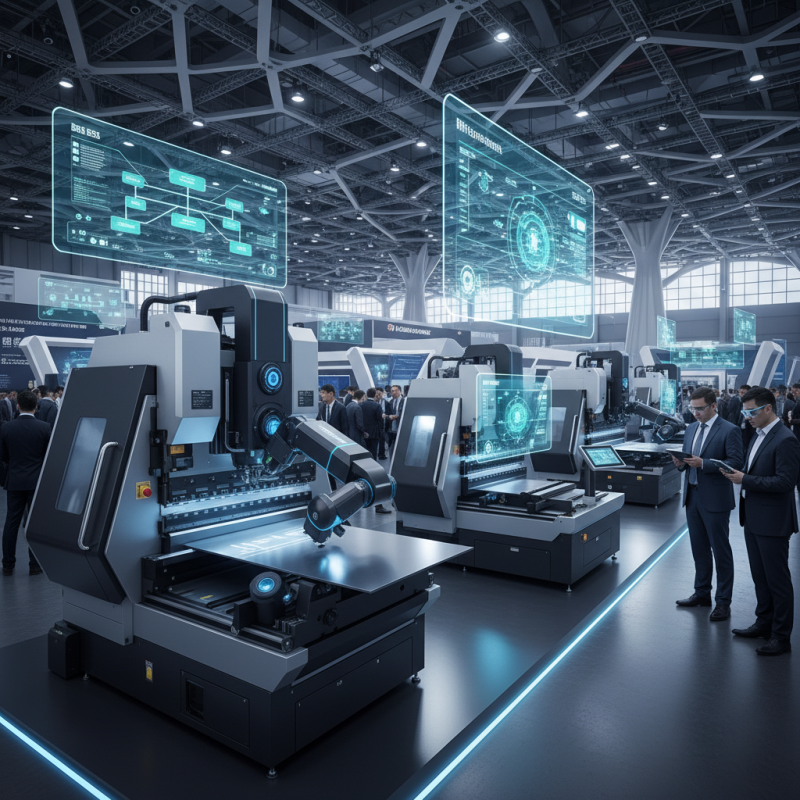
Top Press Brake Innovations at 2026 Canton Fair in China?

Top Press Brake Innovations Showcased at the 2026 Canton Fair in China

The 2026 Canton Fair in China will spotlight groundbreaking innovations in press brake technology. Many manufacturers aim to enhance efficiency and precision. New adaptive control systems are making waves. These systems allow machines to adjust automatically during operation. This adaptability helps reduce errors in bending processes.

Visitors will find advanced hydraulic systems that boast improved energy consumption. This feature is vital for companies focused on sustainability. Some exhibitors may need to reflect on the reliability of their new technologies. There is often a gap between concept and practice. Testing and feedback are crucial for the success of any new design.

Ergonomics will also be a significant focus this year. Designs that prioritize user comfort can boost productivity. However, not every innovation may hit the mark as expected. Balancing technological advancements with usability is a challenge. The fair presents a valuable opportunity for growth in this area.

Top Press Brake Innovations at 2026 Canton Fair in China

Innovation Description Key Features Benefits
Smart Digital Control An advanced control system utilizing AI for precision bending. Real-time adjustments, user-friendly interface, predictive maintenance. Increases efficiency, reduces setup time, minimizes errors.
Eco-Friendly Hydraulic Systems Environmentally friendly hydraulic systems that reduce energy consumption. Lower carbon footprint, energy-efficient pumps, biodegradable fluids. Cost savings on energy, sustainability benefits, compliance with regulations.
Robotic Automation Integration Integration of robotic arms for improved handling and precision. Seamless integration, enhanced safety features, programmable tasks. Higher production rates, reduced manual labor, improved workplace safety.
Modular Tooling Systems Flexible tooling options that allow for quick changes and setups. Varied configurations, quick-release mounts, reduced tool costs. Increased productivity, versatility for different jobs, cost savings.
Enhanced Safety Features Upgraded safety mechanisms to protect operators during operation. Emergency stops, protective barriers, sensor technologies. Minimized accidents, improved operator confidence, regulatory compliance.

Key Technological Advancements in Press Brake Machinery by 2026

At the 2026 Canton Fair in China, innovative developments in press brake machinery are expected to shine. These advancements focus on enhancing efficiency and accuracy in bending operations. Many new models will feature advanced sensors. These sensors can provide real-time feedback, helping operators adjust settings on the fly. Such responsive technology may change how industries approach metal fabrication.

Robotics is also set to play a crucial role. Collaborative robots, or cobots, will assist operators in tasks. They can perform repetitive jobs. However, some challenges remain. Integrating robots with human workers can raise safety concerns. Additionally, training programs must evolve. Workers need to adapt to new systems. There is also exploration around eco-friendly hydraulic fluids. These fluids aim to reduce environmental impact without compromising performance.

As these innovations emerge, not all solutions will be perfect. Some manufacturers might struggle with costly upgrades. Feedback from users will be essential. Continuous support and training will influence adoption rates. Press brake technology is progressing, but practical challenges await.

Emerging Trends in Automation and Efficiency for Press Brake Systems

The upcoming 2026 Canton Fair is set to showcase significant innovations in press brake technology, particularly focusing on automation and efficiency. Recent industry reports indicate that automated systems are projected to enhance productivity by over 30% in manufacturing environments. This shift is not merely a trend; it represents a necessary evolution in response to labor shortages and increasing production demands.

Emerging technologies, such as predictive maintenance and real-time monitoring, are crucial. These allow manufacturers to reduce downtime by up to 40%. However, the transition to fully automated systems presents challenges. Many companies still struggle with integrating these advanced technologies into existing workflows. Training staff to operate complex automated systems is another hurdle. Without proper education and investment, organizations may be left behind in this fast-paced market.

Efficiency in press brake systems is also linked to material usage. Innovative designs in tooling can minimize waste, making processes more sustainable. According to recent analysis, companies adopting such measures have reported a reduction of up to 25% in material costs. Yet, the journey toward optimal efficiency remains incomplete for many. Balancing automation and hands-on expertise must be a primary focus for manufacturers in the years to come.

Sustainability and Eco-Friendly Practices in Press Brake Manufacturing

At the 2026 Canton Fair in China, the focus on sustainability in press brake manufacturing is becoming more crucial. Eco-friendly practices are reshaping how manufacturers operate. Reports show that 75% of industry leaders prioritize green technologies in their production lines. This shift not only reduces environmental impact but also lowers operational costs.

Innovations such as energy-efficient hydraulics and recyclable materials are gaining traction. Many manufacturers are adopting advanced technologies that cut energy consumption by up to 30%. Additionally, using biodegradable lubricants is emerging as a popular trend. These improvements reflect a commitment to sustainability.

Tip: Consider implementing energy audits in your facility. Regular assessments can reveal areas for improvement. Striving for efficiency benefits both the planet and your bottom line.

It's essential to remember that while innovations are promising, challenges exist. Transitioning to eco-friendly practices requires investment and training. Industry reports indicate that 40% of firms struggle with this shift due to cost constraints. Seeking partnerships with sustainability experts could ease this transition and enhance overall efficiency.

Market Insights: The Future of Press Brake Industry Post-2026 Canton Fair

The press brake industry is poised for substantial transformations in the coming years. The 2026 Canton Fair will showcase advanced technologies, setting benchmarks that could reshape market dynamics. According to a recent industry report, the global press brake market is expected to grow at a CAGR of 5.4% from 2023 to 2030. This signals a strong demand for precision and efficiency in metal fabrication processes.

Innovations such as adaptive control systems and automated bending solutions are transforming how manufacturers operate. Automation reduces labor costs and increases productivity. However, some manufacturers struggle to adapt to these rapid changes. Many still rely on outdated machinery, which compromises efficiency. A significant number of firms may not keep pace, potentially leaving them behind in a highly competitive market.

As the press brake technology evolves, the workforce must also adapt. Training and skill development will be crucial. Reports indicate that a skills gap in advanced manufacturing could hinder growth. Industry leaders must address this issue to ensure their teams are well-equipped for the future. Embracing innovation is key, but the path forward is fraught with challenges that require careful navigation.