10 Best Safety Valve Suppliers for Global Buyers
A safety valve is a small component with a large responsibility: it must respond when pressure rises, often in hot, noisy plant rooms. For global buyers, choosing a supplier means looking beyond price and delivery promises. Materials, set-pressure accuracy, documented testing, traceability, and after-sales support all deserve close review. Small details matter.
Grand View Research estimated the global industrial valves market at USD 78.5 billion in 2023 and projected growth through 2030. This figure covers industrial valves broadly, not safety valves alone, but it signals the scale of a competitive supply chain. In that market, supplier claims should be checked against product records and clear test documentation. A polished catalog is not proof.
Process-safety pioneer Trevor Kletz is often credited with the warning, “If you think safety is expensive, try an accident.” The line is blunt. Its lesson is useful: pressure protection is not a place for guesswork. This guide to the 10 best safety valve suppliers for global buyers compares practical factors, including manufacturing capability, certifications, service reach, and application experience. No ranking can replace engineering review. Buyers should match each valve to the system, operating conditions, and applicable requirements. That takes time—and sometimes the first shortlist needs a rethink.
What Safety Valves Do and Where They Are Used
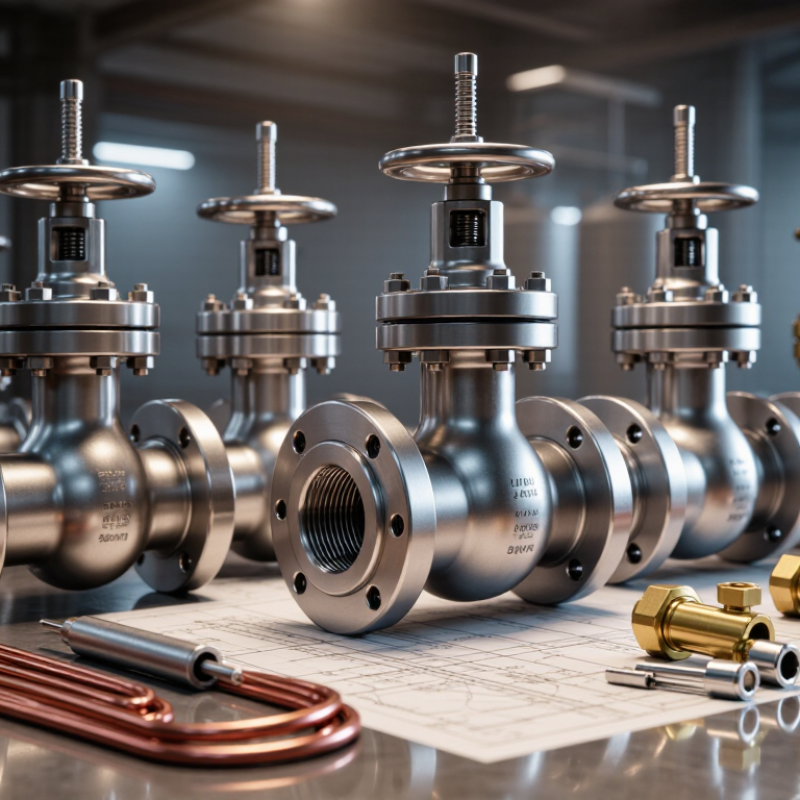
A safety valve protects pressurized equipment by opening when pressure exceeds a set limit. It releases steam or gas, then closes as pressure falls. This action helps prevent vessel damage, piping failure, and costly shutdowns. Performance depends on correct sizing, temperature, set pressure, and discharge conditions. Choosing by pressure alone is not enough.
Safety valves are common on steam boilers, fired heaters, air receivers, and compressor systems. Process plants also use them on reactors and storage vessels; pipeline stations use pressure-relief devices to protect equipment during abnormal pressure changes. The IEA’s Electricity 2025 report estimated that global electricity demand grew 4.3% in 2024, highlighting the growing workload facing power systems, including steam-cycle equipment. More demand does not automatically mean more valve failures. It does make careful inspection and maintenance important. ASME Boiler and Pressure Vessel Code Section XIII covers overpressure protection requirements. Discharge piping matters, too: poor routing can affect valve performance. Small details count. Regular checks should confirm that settings, seals, and outlets remain suitable for actual operating conditions.
How to Evaluate Safety Valve Suppliers for Global Purchasing
Evaluating safety valve suppliers begins with the operating conditions, not a catalog. Record the fluid, pressure range, temperature, connection size, and expected flow before requesting quotations. A valve suited to steam may not suit a corrosive liquid. Details matter. Ask suppliers to explain how their proposed materials and pressure settings match your application.
Request current test records, material traceability, and capacity data for the exact valve model. Check that documents identify the product clearly, rather than showing generic examples. Ask for evidence. Compare stated performance and testing methods across suppliers, and confirm which documents will accompany each shipment. If requirements are unclear, have a qualified engineer review the selection; a low price cannot resolve a sizing mismatch.
Delivery and support matter after technical checks. Ask how the supplier handles production delays, replacement parts, inspection questions, and service requests across time zones. A video call can reveal whether staff answer specific questions or simply repeat sales language. That takes time. Even experienced buyers can overlook small gaps, such as unclear packing details or inconsistent document versions. Keep a written comparison, note unanswered questions, and verify key claims before placing an order.
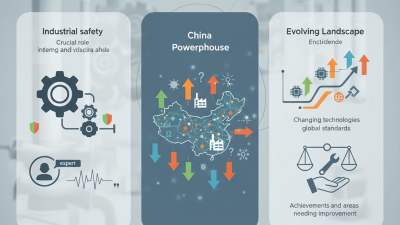
How to use this chart: These are suggested buyer-defined evaluation weights, not supplier ratings or market statistics. Prioritize applicable code compliance, operating conditions, and verifiable testing records; confirm relevant standards for your jurisdiction and service.
10 Best Safety Valve Suppliers for Global Buyers
Global buyers comparing safety valve suppliers should look beyond price and delivery promises. A valve must match the system’s pressure, temperature, fluid, and connection requirements. Ask suppliers for material traceability, inspection records, and clear pressure-temperature ratings. Details matter. A polished catalog is useful, but it cannot replace technical documents tied to the actual product.
Reliable suppliers explain how they test set pressure, seat tightness, and repeatability. They should also clarify production lead times, spare-part availability, and support across time zones. Ask for sample test reports and confirm that stated certifications apply to the specific valve model. Ask for evidence. If the answers are vague, request written clarification before approving a purchase. Small gaps happen.
Communication matters after delivery, too. Check whether the supplier can provide installation guidance, maintenance instructions, and responsive troubleshooting. For critical applications, buyers may arrange an independent inspection or review quality records before shipment. No checklist is perfect; paperwork can look complete while a detail is missing. Compare suppliers using the same technical questions, then document why each option fits—or does not fit—the operating conditions. That record helps teams revisit decisions when specifications change.
Comparing Suppliers by Products, Certifications, and Service
When comparing ten safety-valve suppliers, look beyond catalogue size. Check whether each offers spring-loaded and pilot-operated models for your pressure range, temperature, fluid, and required capacity. The right valve should come with sizing calculations and clearly stated operating limits. A broad catalogue alone proves little.
Certifications need close inspection. Ask for current certificates, their scope, and traceable test records; standards such as ISO 4126 or ASME BPVC Section VIII may be relevant, depending on the application and destination. Grand View Research valued the broader industrial valves market at USD 78.4 billion in 2023 and projected 4.7% annual growth from 2024 to 2030. That is not a safety-valve forecast, but it signals a competitive market where documentation and technical support can help distinguish suppliers. Paperwork can still disappoint. Compare response times, spare-part access, calibration support, and the clarity of service terms—not just quoted delivery dates.
Tips: Request a sample test certificate and confirm that serial numbers match the valve. Ask who handles urgent technical questions across time zones. A polished brochure is useful, but not enough.
How to Verify and Select the Right Supplier
When comparing safety valve suppliers, verify capability before comparing price. Start with the valve’s service conditions: fluid, temperature, operating pressure, and required capacity. Ask for a datasheet that states materials, connection size, set pressure, and applicable testing standards. Check that the offered model matches your specification, not merely the product category. A polished website is not proof. Request sample inspection records, calibration details, and traceable material documentation; confirm these directly with the supplier where possible.
Tips: Ask for evidence. Request recent test reports and clarify how each valve is tested before shipment. Check whether reports identify the model and serial number. Contact two customer references with similar applications, and ask about delivery accuracy and after-sales response. A fast reply is useful, but it cannot replace technical answers.
Compare suppliers on more than unit cost. Confirm lead times, spare-part availability, warranty terms, and the process for handling defects. Ask who provides technical support across your time zone, and whether installation guidance is included. Keep the answers in writing. Details matter. If documentation is incomplete or pressure limits remain vague, pause and ask for clarification rather than assuming the supplier can meet the requirement. Some checks take time, and not every uncertainty has an easy answer. That is worth acknowledging before placing an order.
 North American Safety Valve Industries, Inc.