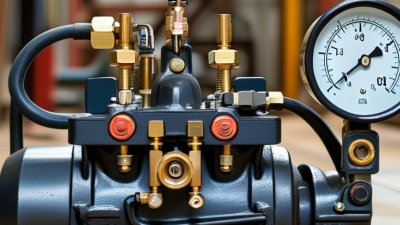
Top Low Pressure Relief Valve Suppliers in China?
China’s valve sector serves power, water treatment, petrochemicals, and general manufacturing. These industries need dependable pressure control, including in low-pressure systems where a small set-point error can cause leaks, equipment stress, or unnecessary shutdowns. The MarketsandMarkets Industrial Valves Market report tracks demand across major process industries, while Grand View Research’s industrial valve market analysis highlights continued investment in infrastructure and industrial operations. These reports provide useful market context, but they do not independently verify individual suppliers or product performance.
That distinction matters. A supplier may offer a compact low pressure relief valve, yet performance depends on set pressure, flow capacity, materials, and test conditions. Ask for calibration records, material specifications, and documented testing. Check whether the offered design suits your medium, temperature range, and installation layout. A catalogue photo cannot answer these questions.
Details matter. This guide introduces leading Chinese suppliers and practical criteria for comparing them, from manufacturing capability to export support and quality documentation. It does not treat a sales claim as proof. Supplier rankings can change, and available public information is uneven; that is worth acknowledging. Buyers should confirm current certifications, factory capabilities, and product configurations directly before placing an order. A careful shortlist is more useful than a confident ranking built on incomplete evidence.
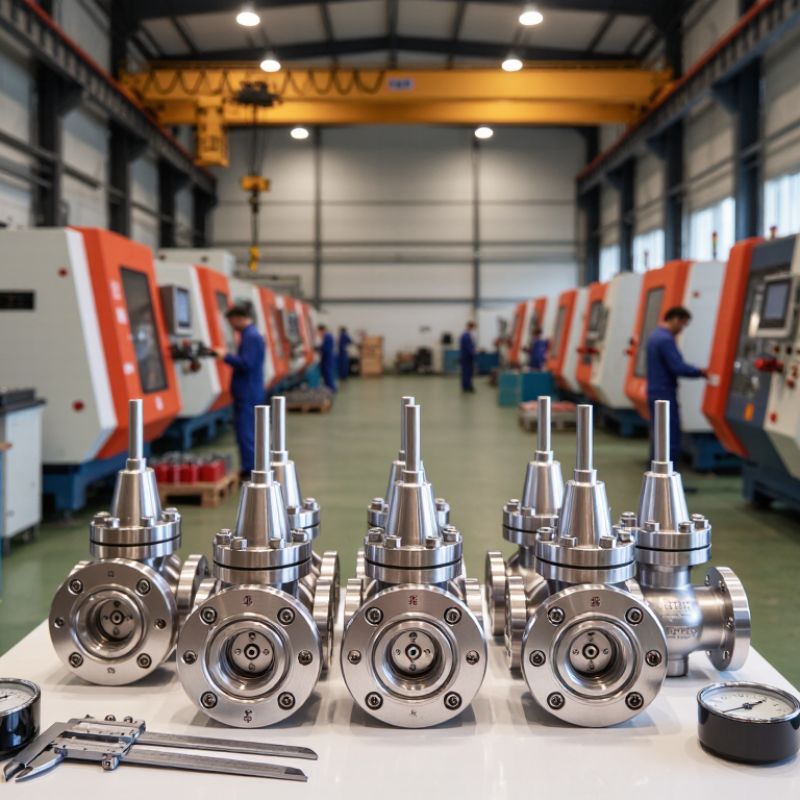
Low-Pressure Relief Valves: API 2000 Covers Tank Pressures up to 15 psig
API 2000 addresses venting for atmospheric and low-pressure storage tanks, including tanks with design pressures up to 15 psig. That is an upper scope limit, not a recommended operating pressure for every tank. At 15 psig, pressure is about 1.03 bar gauge, so confirm the tank’s actual design conditions before selecting a relief valve.
For buyers comparing suppliers in China, ask for sizing calculations tied to the tank’s product, dimensions, and expected filling or emptying rates. A valve must handle normal breathing and relevant emergency conditions without exceeding the tank’s allowable pressure or vacuum. Request material specifications, set-pressure tolerances, test records, and clear installation instructions. Small details matter. A mismatched seat material or poorly supported outlet can undermine otherwise sound equipment.
API 2000 is a useful reference, but it does not automatically certify a particular valve or supplier. Check which edition the design follows, and have a qualified engineer review the application and local requirements. A practical review should also consider weather exposure, corrosion, and access for inspection. One detail is easy to overlook: field conditions may differ from the assumptions in a sizing sheet. Verify them before commissioning.
Low-Pressure Relief Valves: API 2000 Pressure Range
API 2000 covers venting for storage tanks operating at pressures up to 15 psig. The bars show equivalent pressures in kilopascals, calculated using 1 psi = 6.89476 kPa. These reference points are unit conversions, not supplier product ratings.
Valve Types and Selection: Set Pressure, Flow Capacity, and Materials
For low-pressure service, the valve type should match the equipment, not just the catalog description. Spring-loaded valves suit many simple systems, while weight-loaded or pressure-vacuum designs may fit storage tanks with very low operating pressures. Small margins matter. A set pressure too close to normal operating pressure can cause repeated leakage or chatter. Confirm the intended set point against the vessel’s allowable limits and the actual operating range.
Flow capacity needs equal attention. Ask suppliers for certified capacity data at the stated pressure, temperature, and backpressure; a large outlet alone does not prove adequate relief. Not just catalog numbers. Check whether the quoted capacity covers the credible discharge case, and verify inlet piping will not create excessive pressure loss. Material choice depends on the fluid and environment. Stainless steel can resist many corrosive conditions, while carbon steel may suit less demanding service. Seals also matter: an incompatible elastomer can harden, swell, or leak.
When comparing Chinese suppliers, request drawings, material traceability, test records, and clear answers about inspection procedures. These details help reveal whether a supplier understands low-pressure applications beyond standard sizing. Still, paperwork cannot replace engineering review. I would treat an initial selection as provisional until operating data, installation layout, and maintenance access have been checked.
Chinese Supplier Screening: Verify API 2000 and ISO 28300 Relevance
When screening low-pressure relief valve suppliers in China, check whether API 2000 and ISO 28300 actually apply to your tank service. Both standards address venting for atmospheric and low-pressure storage tanks in relevant industries. They are not blanket certificates for every valve a supplier sells. Scope matters.
Ask for the standard edition used, the intended tank conditions, and documented sizing calculations. Check normal inbreathing and outbreathing, emergency venting where applicable, set pressure, vacuum settings, and rated capacity. A nameplate alone is not enough.
Request test records tied to the valve model and materials, plus clear limits for temperature and pressure. Compare the paperwork with your tank data sheet; even a small mismatch in set pressure can matter. Some supplier documents may look complete but still leave questions about the test setup. Ask for clarification in writing, and have a qualified engineer review the selection before purchase.
Compare Suppliers Using Certified Capacity, Test Reports, and Lead Times
When comparing low-pressure relief valve suppliers in China, start with capacity evidence, not catalogue claims. Ask for certified flow capacity for the exact valve size, set pressure, medium, and temperature. Check that the test standard, facility accreditation, and certificate scope match the model offered. A capacity number without these details is hard to use. Small detail.
Request complete test reports, not only a pass certificate. Look for set-pressure results, leakage checks, reseating behavior, instrument calibration dates, and serial-number traceability. Confirm test conditions resemble your service conditions; air testing may not represent liquid or steam behavior. If data is redacted, ask what was removed and why. It gets overlooked.
Compare quoted lead times by milestone: drawing approval, material availability, assembly, testing, and dispatch. Ask whether stated weeks include witness testing and export packing. A short promise is not automatically reliable; request recent delivery records or a dated production schedule. Leave room for slippage, especially when custom trim or nonstandard materials are involved. This comparison still has blind spots: actual site conditions can reveal gaps that paperwork does not.
Final Selection: Match Valve Performance to the Tank’s Operating Pressure and Service
When comparing low-pressure relief valve suppliers in China, start with the tank’s actual operating range, not a catalog headline. Record normal pressure, expected surges, temperature, and the contents’ vapor or corrosive properties. The selected set pressure must suit the tank’s allowable limits and the project’s design basis. A valve that opens too early can cause routine product loss; one that opens too late may not protect the tank as intended.
Sizing matters just as much. Ask suppliers for capacity calculations based on credible pressure or vacuum scenarios, and check that the discharge arrangement will not restrict flow. Confirm body and seal materials against the service conditions. Request clear drawings, inspection records, and test documentation. These details help distinguish a technically suitable offer from a low-cost quotation with missing assumptions.
Small details matter. A tank may operate steadily most days, yet filling, emptying, or a blocked vent can create a different demand. Compare each supplier’s stated assumptions with the site’s actual process data. It is tempting to choose the closest nominal pressure and move on; that shortcut deserves a second look. Have a qualified tank or process engineer review the final selection, especially when operating conditions are uncertain.
 North American Safety Valve Industries, Inc.