7 Pressure Release Valve Buying Tips for Global Buyers

Choosing the right pressure release valve is not a simple catalog exercise. It is a safety, performance, and sourcing decision. Global buyers must understand how the valve will behave under real operating conditions. A refinery line, steam system, and compressed-air tank require different responses. Temperature, media, pressure range, connection size, and installation position all matter.

This guide presents seven practical buying tips for international procurement teams. It focuses on pressure ratings, material compatibility, certification documents, supplier capability, inspection, delivery planning, and lifecycle cost. A reliable supplier should provide clear datasheets, test records, traceability information, and maintenance guidance. Buyers should also check whether the stated standards match the destination market and the equipment’s application. A polished certificate is not enough.

Small details can expose large risks. Ask how the valve was tested. Confirm the set pressure and reseating performance. Review the spring material and body construction. Request photographs of markings and packaging before shipment. If possible, use independent inspection for high-value or critical orders. This adds cost, but replacement delays can cost more. Even experienced buyers sometimes trust familiar brands too quickly. That assumption deserves review. Supplier promises should be compared with evidence, field experience, and consistent documentation.

The best purchase is not always the lowest-priced option. It is the valve that releases pressure accurately, remains stable in service, and can be supported after delivery. Careful questions create safer decisions. Better evidence creates stronger partnerships.
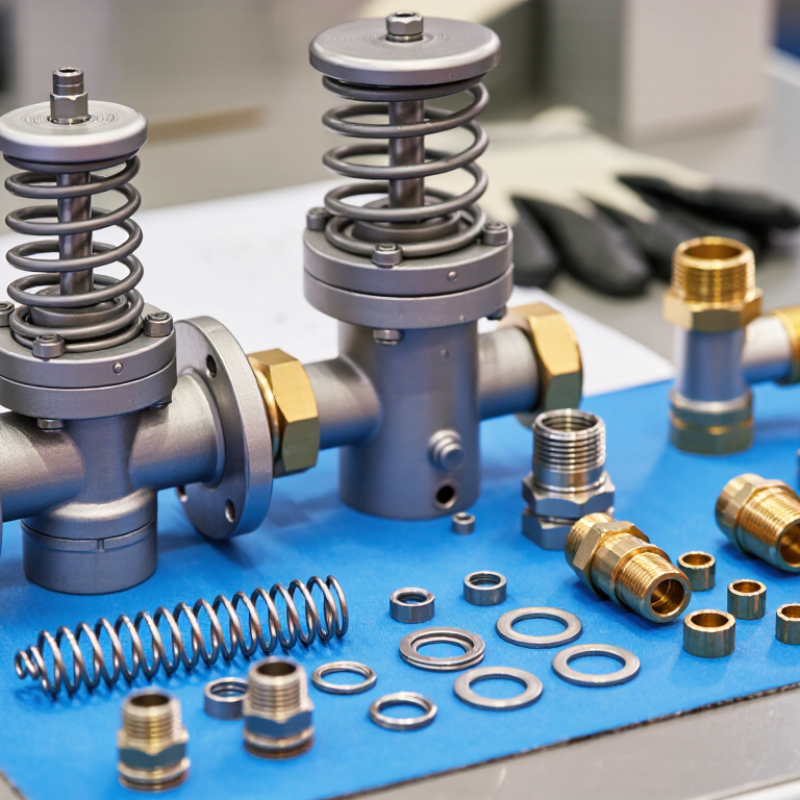
7 Pressure Release Valve Buying Tips for Global Buyers

Define the Pressure Relief Conditions Before Comparing Valve Options

7 Pressure Release Valve Buying Tips for Global Buyers

Define the Pressure Relief Conditions Before Comparing Valve Options

A valve comparison is meaningless until the relief conditions are written clearly. I have seen teams compare prices too early. That is a costly habit.

Record the protected equipment’s MAWP, normal pressure, set pressure, allowable accumulation, and relieving temperature. Identify every credible overpressure scenario, including blocked outlets, fire exposure, control failure, and thermal expansion. API 521 provides recognized methods for evaluating these scenarios, while ISO 4126-1 addresses safety valve performance requirements. These references should guide the design basis, not replace engineering judgment.

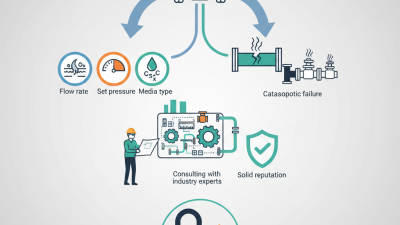
Fluid behavior matters greatly. Specify whether the medium is liquid, vapor, steam, toxic, corrosive, or a two-phase mixture. Include molecular weight, density, viscosity, and required relieving capacity. For gases, API 520 sizing equations depend on pressure, temperature, compressibility, and discharge coefficient. Small input errors can produce large capacity differences. Sometimes, the process data is incomplete.

Backpressure deserves special attention. State both built-up and superimposed backpressure, then check the manufacturer’s published limits. Also define inlet pressure loss, outlet piping, noise limits, material compatibility, and local certification requirements. OSHA’s Process Safety Management guidance stresses documented relief-device design and inspection practices. A neat spreadsheet can still hide a wrong scenario. Ask an independent process engineer to review the assumptions before requesting quotations.
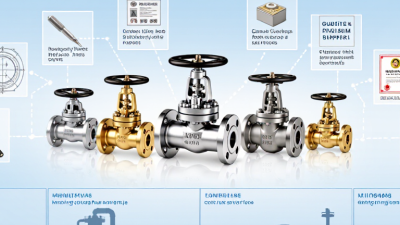
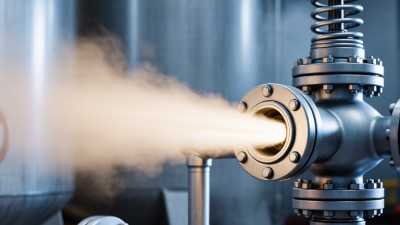
Match Valve Design, Materials, and Pressure Ratings to the Application

7 Pressure Release Valve Buying Tips for Global Buyers

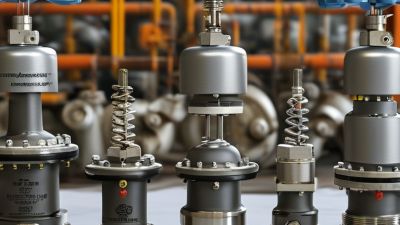
Match the valve design to the actual service, not only the catalog pressure. A spring-loaded valve suits many simple systems with stable operating conditions. Pilot-operated designs can handle larger flows and tighter pressure control. They may require cleaner media and more careful maintenance. In field inspections, undersized inlets often create unstable lifting and noisy discharge. Fit comes first. Confirm flow capacity, set pressure, temperature, back pressure, and connection size together.

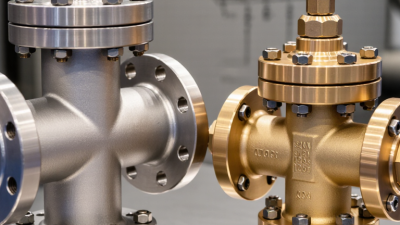
Material selection deserves equal attention. Stainless steel can resist many corrosive fluids, but it is not universally suitable. Check the fluid’s concentration, temperature, moisture, and contamination level. Carbon steel may perform well in dry gas service, yet fail quickly in wet or corrosive environments. Seat and seal materials also matter during thermal cycling. A small compatibility mistake can cause leakage before the valve reaches its rated life. Do not guess.

Pressure ratings must cover normal operation, accumulation, and credible upset conditions. Compare the valve rating with the vessel, piping, and discharge system. Request documented capacity tests, material certificates, calibration records, and traceable serial information. Requirements differ between jurisdictions, so confirm the applicable pressure equipment rules before purchase. A spreadsheet can still miss installation problems. Review the discharge route, reaction forces, drainage, and access for testing. Leave room for human error, because real plants are rarely as clean as the specification.

Verify Global Standards, Certifications, and Documentation Requirements

Pressure Release Valve Buying Tips for Global Buyers

A pressure release valve is only as reliable as its paperwork. Confirm the required design standard before comparing prices. Common references include ASME, API, ISO, and regional pressure equipment rules. The correct standard depends on the vessel, media, pressure range, and installation country. Do not accept a general compliance statement. Ask for the exact standard number and edition.

Check whether the certification covers the valve model, size, material, and pressure class. A certificate for one configuration may not cover another. Request third-party inspection records when the application has serious safety consequences. Review hydrostatic test results, set-pressure records, leakage results, and material certificates. Traceable serial numbers should connect the valve to its test documents. Small gaps matter.

Documentation must also fit the destination market. Confirm language, labeling, inspection format, and technical file requirements early. Ask whether digital copies are accepted or notarized originals are needed. Suppliers should provide installation instructions, maintenance limits, calibration details, and recommended storage conditions. I have seen buyers focus on certification logos while missing an outdated test report. That mistake is easy to repeat. Keep a written verification log, and let a qualified engineer review unclear claims before purchase.

Evaluate Supplier Capability, Quality Control, and Long-Term Support

A pressure release valve is only as dependable as its supplier. Global buyers should examine engineering depth, testing discipline, and service continuity. The 2023 ISO Survey recorded more than 1.26 million ISO 9001 certificates worldwide, but certification alone proves little. Ask for recent audit results, process maps, and corrective-action records.

Tip 1: Verify design competence through pressure calculations and material traceability.
Tip 2: Request witnessed testing, including set-pressure, leakage, and reseating tests.
Tip 3: Check whether calibration equipment is traceable to recognized national standards.

A polished certificate can still hide weak shop-floor control. I have seen documentation look stronger than production reality.

Supplier capability also includes delivery resilience. The World Bank’s 2023 Logistics Performance Index shows a 2.5-point gap between the highest- and lowest-performing economies.

Tip 4: Review backup machining capacity and critical-component inventories.
Tip 5: Measure on-time delivery for the past twelve months, not one successful order.
Tip 6: Confirm technical support across time zones, spare-part lead times, and emergency response procedures.
Tip 7: Put inspection rights, warranty limits, failure analysis, and training duties into the contract.

Long-term support is often underpriced during bidding, then becomes the real cost. Ask difficult questions early.

Compare Total Purchase Costs, Delivery Risks, and Maintenance Needs

A pressure release valve should be priced by total ownership cost, not purchase price. Include testing, certification, freight, import duties, installation, and spare parts. The U.S. Department of Energy reports that operations and maintenance can represent 60–75% of an asset’s life-cycle cost. A cheaper valve may become expensive after repeated seat repairs or difficult inspections. Record the expected set pressure, temperature, fluid, and discharge capacity before requesting quotations. Small specification errors can create large costs.

Tip: Compare three landed-cost scenarios. Include normal freight, port delay, and urgent replacement shipping. The World Bank’s 2023 Logistics Performance Index shows that supply-chain reliability differs significantly between markets. Delivery time is not just a supplier promise. Check production capacity, inspection lead time, export documents, and local inventory. Ask for test certificates before shipment, not after arrival. This detail prevents avoidable customs and commissioning delays.

Tip: Build maintenance into the buying decision. API 576 guidance emphasizes inspection, testing, and documented servicing for pressure-relieving devices. Confirm whether the valve supports field testing and whether seals, springs, and seats are available locally. Review the recommended inspection interval against your process conditions. Corrosive fluids, vibration, and frequent pressure cycling can shorten service life. I would also request a maintenance history from comparable installations, although such records are often incomplete. That uncertainty deserves a cost allowance. Fresh paint can hide old problems.

7 Pressure Release Valve Buying Tips for Global Buyers - Compare Total Purchase Costs, Delivery Risks, and Maintenance Needs
No. Buying Tip Key Data to Compare Typical Cost or Risk Indicator Verification Checklist Practical Purchasing Action
1 Define the required relieving capacity Set pressure, temperature, fluid phase, required flow rate, back pressure, inlet/outlet size, and discharge coefficient. An incorrectly sized valve can cause unsafe overpressure or unnecessary cost. Oversized valves may chatter, while undersized valves may not protect the equipment. Confirm the sizing calculation, set pressure, accumulation allowance, built-up back pressure, and applicable design code such as ASME Section VIII or ISO 4126. Send a complete process data sheet before requesting quotations; do not compare prices from suppliers using different operating assumptions.
2 Compare total purchase cost, not unit price Evaluate valve price, customization, testing, certification, packaging, freight, insurance, import duty, VAT or GST, and local handling charges. For cross-border orders, logistics, duties, and documentation can add approximately 10%–35% to the quoted equipment price, depending on route, product value, and destination rules. Request a delivered-cost breakdown with Incoterms, currency, tax treatment, freight basis, insurance coverage, and validity period. Compare at least three equivalent quotations using the same pressure class, materials, certificates, delivery location, and acceptance criteria.
3 Assess delivery risk and lead time Check manufacturing lead time, material availability, inspection queue, export documentation, transit time, customs clearance, and spare-part availability. Standard configurations may be available in about 4–8 weeks; engineered, special-material, or certified orders commonly require 8–16 weeks or longer. Ask whether the quoted date means order confirmation, production completion, factory acceptance, shipment, or arrival at site. Add schedule contingency for inspection, public holidays, customs, and port congestion; specify milestone dates and delay-notification requirements in the purchase order.
4 Match materials to the process medium Compare body, bonnet, spring, trim, seat, gasket, and bellows materials against corrosion, erosion, temperature, pressure, and fluid compatibility. Upgrading from carbon steel to stainless or higher-alloy materials can raise the valve price substantially, but may reduce leakage, corrosion, and replacement risk. Review material certificates, minimum and maximum temperature limits, fluid compatibility, chloride exposure, hydrogen service requirements, and elastomer limits. Select materials from the actual process conditions rather than choosing solely by nominal pressure rating or purchase price.
5 Confirm certification and inspection requirements Review pressure test, seat leakage test, set-pressure test, material traceability, calibration records, conformity documents, and third-party inspection requirements. Inspection, testing, and documentation commonly add several percent to the order value and can extend lead time by days or weeks. Define the required standard, test medium, acceptance limits, certificate language, document format, and inspection hold points before production. Include a document register in the purchase order and require approval of drawings and datasheets before fabrication.
6 Estimate maintenance and lifecycle cost Compare inspection interval, seat and gasket replacement, spring or bellows service, local repair capability, spare-part price, and expected downtime. Periodic inspection frequency depends on service severity and local rules; contaminated, corrosive, or frequently cycling service generally requires more attention. Ask for a maintenance manual, recommended spare-parts list, overhaul procedure, torque data, test-bench requirements, and warranty conditions. Calculate five-year ownership cost, including labor, calibration, spare parts, transport, and production interruption—not only the initial purchase price.
7 Check installation and after-sales support Evaluate inlet and outlet piping requirements, reaction forces, discharge routing, accessibility, orientation, commissioning support, response time, and regional service coverage. Poor installation can cause vibration, leakage, unstable operation, or premature wear; corrective work may cost more than the original valve price. Confirm installation drawings, allowable back pressure, drain requirements, lifting points, flange dimensions, spare-part delivery time, and technical support contacts. Approve the installation arrangement before shipment and keep critical spares available when shutdown access or international delivery is limited.
Cost comparison note: The ranges shown are planning indicators only. Final pricing, lead time, inspection scope, and maintenance frequency depend on valve size, pressure class, materials, process conditions, applicable regulations, order quantity, destination, and service environment.