 North American Safety Valve Industries, Inc.North American Safety Valve Industries, Inc.North American Safety Valve Industries, Inc.
China has a wide range of pressure relief valve manufacturers, but “top” depends on the needs of each project. A compact valve can look suitable on a drawing while its spring, seat, or outlet connection fails to match the system. Buyers should compare set pressure, operating temperature, media compatibility, flow capacity, and connection type. Small mismatches may lead to leakage, nuisance opening, or insufficient pressure protection. Details matter.
A useful supplier review goes beyond catalog claims. Check product data sheets, material specifications, inspection procedures, and test records for the exact model under consideration. Ask how the manufacturer handles customization, replacement parts, and technical questions after delivery. Clear answers are reassuring; vague ones deserve follow-up. Ask for evidence.
This article will help readers compare Chinese manufacturers through practical criteria rather than a universal ranking. Production capability, quality controls, export experience, and communication can all influence a purchasing decision. Still, a polished website does not prove consistent performance, and a single test report cannot answer every question. That is worth remembering. Confirm important specifications with the supplier and, where appropriate, an independent technical reviewer. A careful comparison takes time, but it can help buyers identify a pressure relief valve suited to the application—not just one that looks right in a brochure.
China Top Pressure Relief Valve Manufacturers?
What Is a Pressure Relief Valve and What Does It Do?
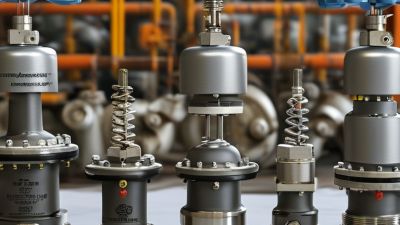
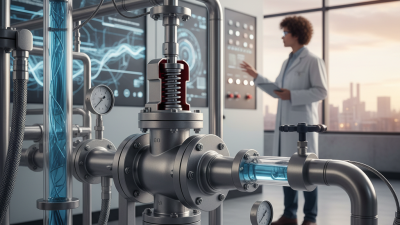
A pressure relief valve is a safety device that controls excessive pressure inside a vessel or pipeline. It opens when internal pressure reaches a preset limit. Then, it releases gas, steam, or liquid through a controlled outlet. When pressure returns to a safe level, the valve closes. This action helps protect tanks, pumps, boilers, and process equipment from rupture. A spring-loaded design is common for simple systems. Pilot-operated valves may provide more precise control in demanding applications. Material selection matters because corrosive fluids can damage internal parts.
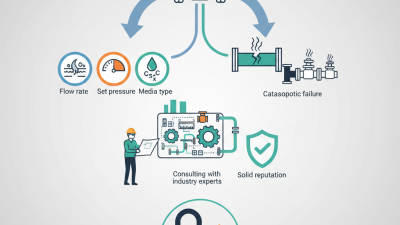
Tips: Check the set pressure, operating temperature, fluid type, and flow rate before choosing a valve. Confirm that the inlet and discharge connections match the system. Never block the discharge path. A small installation mistake can create serious risk. That point is easy to underestimate.
Reliable maintenance requires more than visual inspection. Technicians should examine springs, seals, seats, and corrosion regularly. Calibration should follow the equipment maker’s instructions and applicable technical requirements. Keep test records with the valve’s identification and service history. In practice, even a correctly selected valve may perform poorly after contamination or poor installation. Ask qualified professionals to verify sizing, materials, pressure settings, and discharge arrangements before operation.
| Topic / Valve Type | How It Works | Typical Service | Key Considerations |
|---|---|---|---|
| Pressure relief valve: purpose | Opens when system pressure reaches a defined setting, releasing fluid to limit pressure and help protect equipment from overpressure. | Pressure vessels, pipelines, boilers, pumps, and process systems. | Discharge must be routed and sized safely. A relief valve does not replace correct system design or operating controls. |
| Spring-loaded safety valve | System pressure acts against a spring-loaded disc. At the set pressure, the valve opens; many designs open rapidly for compressible fluids. | Steam, gas, and vapor services, subject to the valve’s design and certification. | Set pressure, permitted accumulation, back pressure, capacity, and discharge piping must be evaluated for the application. |
| Spring-loaded relief valve | Typically opens progressively as pressure rises above its set point, with the opening behavior depending on its construction and service. | Commonly used for liquid systems; some designs are suitable for other fluids. | Terminology varies across industries and standards. Confirm the intended fluid, required capacity, and applicable code. |
| Pilot-operated relief valve | A small pilot valve controls pressure acting on the main valve, which can provide tight operation and high capacity in suitable applications. | Selected high-pressure or large-capacity process services. | Pilot passages and sensing lines must suit the fluid and remain functional; operating limits depend on the specific design. |
| Thermal relief valve | Relieves pressure caused by liquid expansion when fluid is trapped and heated in a closed section of piping. | Blocked-in liquid lines and equipment exposed to temperature changes. | Usually intended for small thermal-expansion loads, not as a substitute for a main system overpressure protection device. |
| Set pressure | The inlet pressure at which the valve is adjusted to begin its specified opening action, as defined by the applicable design and standard. | A key selection and testing parameter for every pressure-relieving device. | It must be coordinated with the protected equipment’s allowable pressure and the governing code. |
| Selection and sizing | Sizing considers the required relieving rate and the fluid’s properties, such as phase, temperature, and relevant flow characteristics. | All applications where overpressure protection is required. | Also assess inlet pressure loss, outlet back pressure, materials, connections, operating conditions, and credible overpressure scenarios. |
| Common technical references | Relevant references may include ASME Boiler and Pressure Vessel Code Section VIII, API 520, API 521, API 526, and ISO 4126. | Design, sizing, installation, and safety-device requirements, depending on the application and jurisdiction. | The applicable edition and legal requirements should be confirmed for the project; standards have different scopes. |
General reference only. Valve terminology, performance, and code requirements vary by design, fluid, application, and jurisdiction. Final selection and sizing should be performed by qualified engineering personnel.