China Top Air Pressure Relief Valve Manufacturers for Buyers?
Choosing an air pressure relief valve supplier in China involves more than comparing prices. Buyers need a valve that opens at the intended pressure, reseats consistently, and suits the operating environment. A small mismatch can cause nuisance venting, unstable pressure, or avoidable maintenance. Details matter.
This guide introduces Chinese manufacturers and the questions buyers can use to assess them. Ask about valve materials, connection sizes, pressure ranges, sealing options, and production testing. Request clear product drawings and inspection records, not just a polished catalog. For example, confirm whether the listed pressure applies to the opening point or another test condition. Check whether the seal material fits the fluid, temperature, and expected service life. These details should be verified for the specific model.
A supplier’s website can help build an initial shortlist, but it cannot prove consistent quality. Sample evaluation, technical discussion, and documented test results provide stronger evidence. Compare response times, customization limits, packaging, and after-sales support as well as unit cost. No manufacturer is perfect. Even experienced buyers can overlook a thread specification or assume two pressure ratings mean the same thing. That deserves a second look. The sections ahead offer a practical way to compare suppliers, reduce avoidable uncertainty, and select a valve based on application requirements rather than marketing claims.
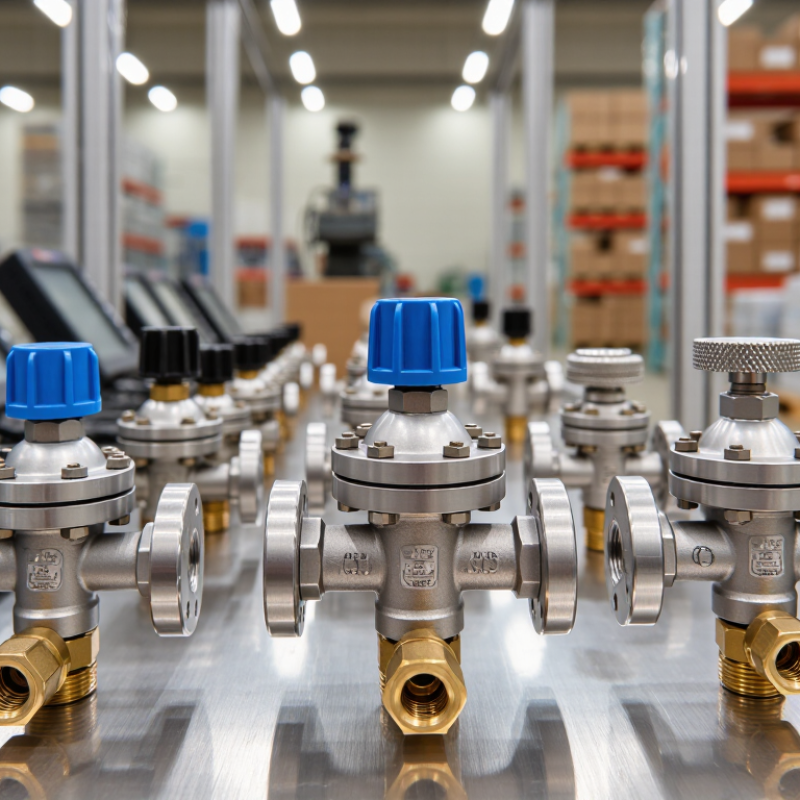
What Are Air Pressure Relief Valves and How Do They Work?
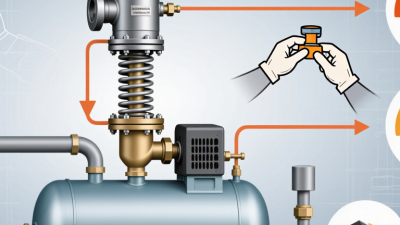
An air pressure relief valve protects a vessel or pipe when pressure rises above a defined limit. Inside a common spring-loaded design, air pressure pushes against a disc while a spring holds it closed. When pressure reaches the set point, the disc lifts and releases air through the outlet. Pressure falls. The spring then pushes the disc back onto its seat. Simple in principle, but sizing and installation matter.
API Standard 520, Parts I and II, covers relief-device sizing, selection, and installation for pressure systems. In practice, engineers consider the air flow, set pressure, temperature, and discharge piping. A valve that is too small may not release pressure quickly enough; one set too high may open after equipment limits are exceeded. The set point should also sit above normal operating pressure, with room for pressure fluctuations. That margin is easy to misjudge.
The U.S. Chemical Safety Board’s 2007 investigation of the Texas City refinery disaster documented 15 fatalities and 180 injuries. It was not an air-valve performance study, so those figures should not be treated as valve data. They do underline a broader point: pressure protection depends on sound design, inspection, and maintenance. A valve is not magic. Dirt, corrosion, or a blocked outlet can affect operation, so qualified technicians should verify settings and discharge paths against the equipment requirements.
Key Types and Applications of Air Pressure Relief Valves
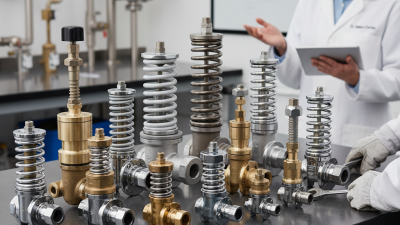
Air pressure relief valves protect receivers, filters, and piping when pressure rises beyond a safe set point. Spring-loaded valves are common in compact compressed-air systems: pressure lifts the disc, and a spring reseats it as pressure falls. Pilot-operated designs suit larger flows or tighter operating ranges, but they need clean air and careful maintenance. Thermal relief valves address pressure increases in isolated sections where trapped air warms; they are not substitutes for correctly sized system protection. Small details matter. A blocked outlet can undermine an otherwise suitable installation.
Applications vary by equipment. Receiver tanks need a relief valve positioned to sense vessel pressure, while compressors may use additional protection near discharge lines. Pneumatic tools and production lines can need local protection if regulators or isolation points create pressure risks. The U.S. Department of Energy’s Improving Compressed Air System Performance: A Sourcebook for Industry reports that compressed air can account for about 10% of industrial electricity use. That figure is a reminder: leaks and poor controls waste energy, but reducing pressure must never compromise safe limits.
In practice, verify set pressure, flow capacity, temperature rating, and discharge routing against equipment data and applicable standards.
One uncomfortable point: a valve that looks correctly sized may still perform poorly if its inlet is restricted.
How to Evaluate Chinese Air Pressure Relief Valve Manufacturers
When evaluating Chinese air pressure relief valve manufacturers, begin with the operating details, not the catalog photos.
Share your working pressure, required flow, connection size, and air temperature. Ask how the valve’s set pressure and reseating performance are tested. A clear answer should refer to measurable test procedures, not simply “high quality.” Small gaps matter.
Check whether materials match your application, especially for the body, spring, and seals. Request material records and sample inspection reports, then compare them with the delivered parts. Ask how production batches are identified and how changes are documented. A polished brochure is not proof. If possible, review a sample and inspect its markings, threads, and finish. No checklist catches everything.
Tips: Ask for test results at the pressure range you will actually use. Confirm lead time, packaging, and how the supplier handles defects. Keep the questions in writing; vague answers are easy to overlook.
Comparing Manufacturer Capabilities, Certifications, and Product Quality
When comparing Chinese air pressure relief valve manufacturers, look beyond price and catalog size. MarketsandMarkets’ 2023 Pressure Relief Devices Market report estimated growth from USD 3.8 billion in 2023 to USD 5.0 billion by 2028. That forecast signals demand, not dependable workmanship. A polished brochure proves little.
Ask for test records tied to the exact valve model and pressure range. Check capacity, set-pressure accuracy, reseating behavior, and leakage results. API 527 covers seat-tightness testing for pressure-relieving devices; ISO 4126 addresses safety devices against excessive pressure. Confirm which standards the supplier actually tests against. A factory certificate alone is not product evidence. Small distinction. It matters.
Review material certificates, batch traceability, calibration records, and inspection steps from casting to final assembly. Ask whether the maker can provide witnessed tests, sample reports, and clear handling instructions. Compare these against your medium, operating temperature, and installation conditions. I would still request a production sample before a large order; paperwork can be neat while tolerances vary. Also verify that any claimed certification applies to the specific product and intended market, rather than assuming every model is covered.
How Buyers Can Verify Suppliers and Choose the Right Valve
When evaluating Chinese pressure relief valve suppliers, verify the factory’s actual test process, not just its catalogue. Request drawings, material certificates, batch traceability, and test records showing set pressure and reseating performance. Check that the proposed valve suits your medium, temperature, required discharge capacity, and installation code. A certificate alone is not enough; ask how instruments are calibrated and whether you can witness a test.
The U.S. Department of Energy’s Improving Compressed Air System Performance sourcebook estimates that compressed air uses about 10% of electricity in U.S. industry.
That figure makes leakage control and correctly sized equipment worth checking, though it does not predict savings at any one plant. Compare the supplier’s stated capacity with your system’s worst-case conditions. A cheap valve that opens late can create a costly risk. It is easy to overlook the outlet pipe, too.
Tips: Request a sample test report linked to a valve’s serial number. Confirm the test pressure, medium, and acceptance criteria before ordering. If documents conflict, pause and ask for clarification. That small delay is sensible.
 North American Safety Valve Industries, Inc.