China Top 10 Thermal Relief Valve Manufacturers?
Selecting a reliable thermal relief valve manufacturer requires more than comparing prices or product photographs. This guide examines ten leading manufacturers in China and explains the practical factors behind their market reputation. The discussion considers design capability, material control, pressure accuracy, production experience, and after-sales support. It also looks at valves used on pipelines, pumps, heat exchangers, and liquid-filled systems. A small valve can prevent dangerous pressure buildup when trapped liquid expands. Its role deserves careful attention.
The evaluation focuses on verifiable details rather than promotional claims. These details include technical datasheets, stated pressure ranges, body materials, sealing options, test procedures, certifications, and customization capacity. Factory experience also matters. A manufacturer should explain how each valve is calibrated, inspected, and documented before shipment. Clear records build confidence. Practical evidence is stronger.
Still, no ranking is perfectly objective. Supplier strengths can change with project size, industry, and delivery requirements. Some companies may excel in standard stainless-steel models, while others support complex specifications or larger international orders. Buyers should confirm current certifications, factory capabilities, lead times, and references directly. This step is easy to overlook. It should not be.
The following overview offers a balanced starting point for engineers, distributors, and procurement teams. It combines industry knowledge with realistic purchasing considerations. The goal is not to declare one universal winner. It is to help readers identify a dependable partner for safe, accurately specified thermal relief valve applications.
What Is a Thermal Relief Valve and Why Is It Used?
What Is a Thermal Relief Valve and Why Is It Used?
A thermal relief valve protects liquid trapped between closed isolation valves. When sunlight, nearby equipment, or process heat raises the liquid temperature, its volume expands. Even slight expansion can create dangerous pressure in a confined section. The valve opens at a preset pressure and releases a controlled amount of fluid. This action protects piping, pumps, gauges, and vessel connections from excessive stress.
In practical installations, the valve is often fitted on blocked-in liquid lines, such as chemical, water, or hydraulic systems. Selection requires more than checking the connection size. Engineers should review fluid compatibility, operating temperature, set pressure, discharge routing, and the trapped volume. A thermal relief valve is not a replacement for a main pressure safety valve. That distinction is sometimes missed in the field. It should also remain accessible for inspection and testing.
Tips: Keep the discharge line visible and directed to a safe collection point. Confirm the set pressure against the weakest protected component. Check seals and internal movement during scheduled maintenance. Comparing manufacturers? Request material certificates, pressure-test records, calibration evidence, and clear service instructions. Small documentation gaps can reveal larger quality concerns. Field experience also shows that poor installation, not valve design, often causes leakage or unwanted opening. Review the whole piping arrangement, not only the valve.
How to Evaluate Thermal Relief Valve Manufacturers in China
How to Evaluate Thermal Relief Valve Manufacturers in China
Choosing among China’s top thermal relief valve manufacturers requires more than comparing prices. Start by checking whether the manufacturer understands your fluid, operating temperature, pressure range, and installation environment. A valve for trapped liquid needs different verification from one used on gas service. Ask for material certificates, pressure test records, calibration dates, and clear traceability from raw material to finished valve. Small documentation gaps matter.
Inspect the production process, not only the showroom. Confirm whether the factory controls machining, spring selection, assembly, and final testing internally. Review the calibration equipment and observe a sample pressure test when possible. The test gauge should have current calibration records. Request performance data at temperatures close to your actual operating conditions. Generic certificates are weak evidence.
Standards must match the application and destination market. Check relevant requirements under applicable ASME, API, ISO, or national regulations, rather than accepting copied statements. A capable manufacturer should explain design limits in plain language. Response speed also reveals technical maturity. Can engineers answer questions about leakage, set-pressure tolerance, corrosion, and maintenance intervals?
A polished audit can still miss hidden weaknesses. Consider an independent inspection before shipment, especially for critical systems. Sample several units, not just one. Compare markings, dimensions, spring settings, and test results. Price should remain important, but unusually low offers may reflect thinner materials, limited testing, or incomplete support. No evaluation is perfect. Keep written records and revisit the supplier after real operating feedback.
Profiles of China’s Top 10 Thermal Relief Valve Manufacturers
China’s top 10 thermal relief valve manufacturers show different strengths in design, machining, and field support. Several focus on compact valves for jacketed vessels and heat exchangers. Others produce heavy-duty units for pipelines, storage tanks, and industrial heating systems. Their profiles should be reviewed through material quality, pressure accuracy, and production consistency.
Experienced manufacturers usually provide stainless steel, carbon steel, or special alloy options. Their workshops often use CNC machining, calibrated test benches, and traceable inspection records. Strong suppliers explain set pressure, relieving capacity, temperature range, and connection standards clearly. Some offer custom spring settings and flange dimensions. However, catalog data can look better than field performance. Independent verification still matters. A factory visit, sample test, or third-party inspection may reveal overlooked details.
Tips: Check certificates, test reports, sealing materials, and maintenance guidance before purchasing. Ask how each manufacturer controls spring fatigue and seat leakage. Review response time for replacement parts. Do not judge suppliers by price alone. A low-cost valve may require more frequent adjustment. Also, application conditions can change after installation. Recheck pressure and temperature assumptions with a qualified engineer. These profiles are useful starting points, but the final choice should reflect actual media, equipment layout, and operating history.
China’s Top 10 Thermal Relief Valve Manufacturers: Pressure-Class Reference
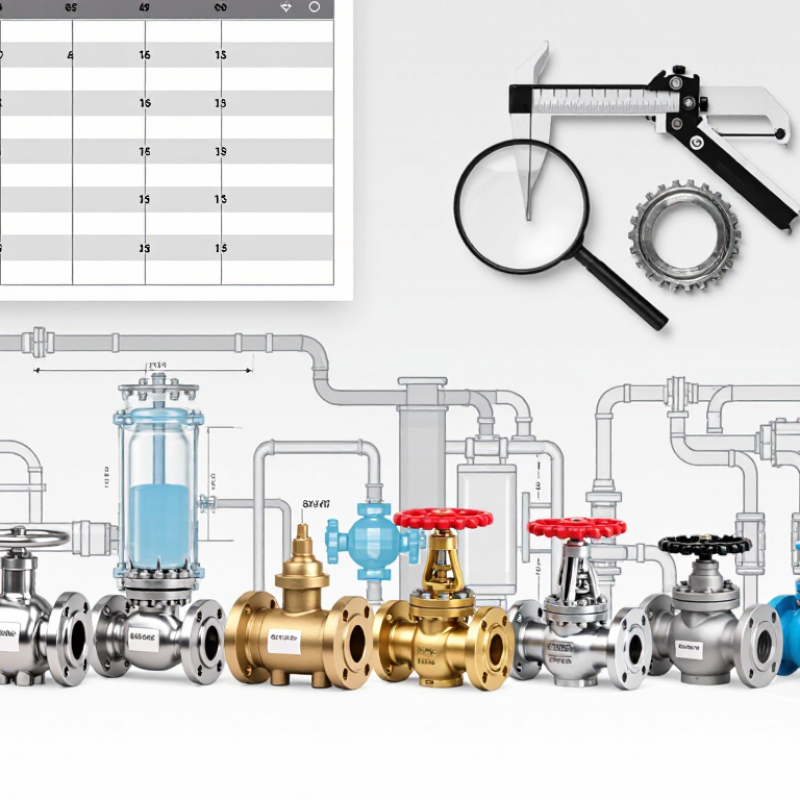
This chart presents internationally recognized ASME pressure-class designations commonly used when specifying industrial valves. The values are standard class labels, not company-specific performance ratings or direct pressure limits.
Thermal relief valve selection should also consider set pressure, relieving capacity, temperature range, materials, connection type, media compatibility, and applicable certification requirements.
Quality Standards, Customization, Pricing, and Supplier Selection Criteria
China’s top 10 thermal relief valve manufacturers should be compared through evidence, not catalog claims. A reliable supplier can show material certificates, pressure-test records, calibration data, and traceable batch numbers. Ask whether testing follows recognized standards, such as ISO quality systems or relevant ASME requirements. Certificates should be current and independently verifiable.
Customization matters when equipment faces unusual fluids, temperatures, or connection sizes. Discuss body materials, seal compatibility, set pressure, discharge direction, and mounting space before requesting a quotation. A capable engineering team should provide drawings and confirm tolerances.
Small details matter.
A two-millimeter mismatch can delay installation.
Pricing should include testing, packaging, documentation, spare parts, and delivery terms. The cheapest offer may exclude inspection or after-sales support. Request comparable quotations with identical specifications. During supplier selection, review production capacity, sample approval procedures, response times, and failure-handling policies. Factory audits can reveal practical details, such as clean assembly areas and calibrated test benches. However, an audit is only a snapshot, not proof of permanent quality. A better decision combines records, technical communication, sample performance, and realistic lead times. Be careful with impressive websites; they are not engineering evidence.
 North American Safety Valve Industries, Inc.