Top Air Compressor Relief Valve Suppliers Worldwide
Choosing among the top air compressor relief valve suppliers worldwide is not a catalog exercise. The right valve must match the compressor’s pressure range, connection size, operating temperature, and expected airflow. A mismatch can mean nuisance venting, poor protection, or a valve that simply does not fit. Small details matter.
A useful reminder from a fictional composite specialist, Alex Morgan, is offered here as editorial wording, not a recorded quotation: “A relief valve is only dependable when its rating, installation, and service conditions agree.” That principle is practical. Check the supplier’s published specifications, material options, traceability, and testing information. Ask how the valve handles repeated pressure cycles, too. A polished product page is not enough.
This guide compares suppliers by technical documentation, product range, quality controls, availability, and support after purchase. It also considers whether replacement parts are easy to identify and whether a supplier can answer specific application questions. Look for clear evidence, not broad claims. A supplier serving several regions may offer useful reach, but delivery time and local technical support still deserve scrutiny. No ranking can replace an engineer’s review of the actual compressor system. That is worth remembering. Even a reputable brand may not suit every installation, and supplier information can leave gaps. Verify before specifying.
Understanding Air Compressor Relief Valves and Their Applications
Top Air Compressor Relief Valve Suppliers Worldwide
Understanding Air Compressor Relief Valves and Their Applications
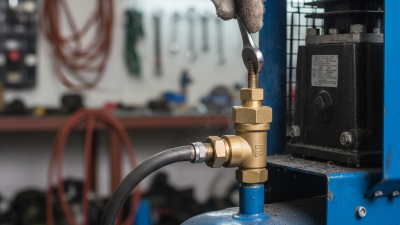
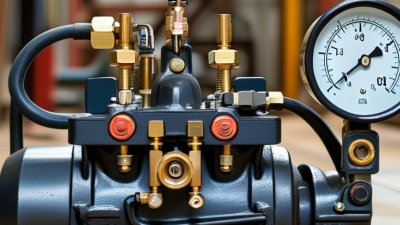
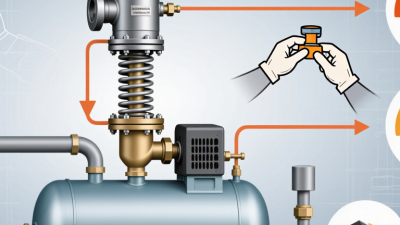
An air compressor relief valve helps limit pressure when a system exceeds its permitted operating range. Many designs use a spring-loaded mechanism that opens at a preset pressure, releasing air through an outlet. The correct setting depends on the compressor and system specifications, not guesswork. Small part. Serious job.
These valves are used in compressor tanks and other pressure-containing equipment. During operation, a sudden pressure rise may cause the valve to discharge with a sharp hiss. The outlet needs enough clearance for air to escape safely. A valve that opens too early can interrupt work; one that fails to open can leave excess pressure unrelieved. Neither condition should be ignored.
Routine checks matter. Look for corrosion, dirt, visible damage, or a blocked discharge path, and follow the equipment maker’s maintenance instructions. Never plug or disable a relief valve to stop a leak. That may seem like a quick fix, but it removes an important safeguard. Replacement should match the required pressure rating and connection details. Even careful inspections have limits; suspected faults call for a qualified service professional.
Key Standards for Air Compressor Relief Valve Suppliers
For air compressor relief valve suppliers, standards are more than logos on a datasheet. Check whether the valve is designed and tested to a recognized safety-device standard, such as ISO 4126, or an applicable pressure-vessel code. Requirements can vary by country, receiver design, and operating pressure. A supplier should explain which rules apply to the specific installation.
Details matter. Ask for documented set-pressure testing, certified capacity data, and material specifications. The valve’s rated discharge capacity must handle the compressor’s maximum credible airflow, not merely match the receiver connection. Confirm pressure and temperature limits, inlet and outlet sizes, and compatibility with the working environment. A traceable serial number and inspection record help connect the delivered valve to its test results.
A quality-management certificate can indicate controlled processes, but it does not prove that a particular valve meets its performance requirements. Ask suppliers for current test reports, calibration records, and clear instructions for installation and periodic inspection. Compare documents against the actual model and configuration being quoted. Ask for evidence. In practice, paperwork may look complete while leaving uncertainty about capacity assumptions or test conditions. That gap deserves a direct question before purchase.
Leading Air Compressor Relief Valve Suppliers Worldwide
Leading air compressor relief valve suppliers worldwide are judged by more than catalog size. Strong suppliers provide clear pressure ratings, material specifications, and documented opening-pressure tests. They also help buyers match a valve to compressor capacity, operating temperature, and receiver design. Small details matter: a readable set-pressure stamp and a clean, traceable test record can prevent costly installation errors.
The U.S. Department of Energy’s Improving Compressed Air System Performance sourcebook estimates that compressed air uses about 10% of industrial electricity. That figure describes whole systems, not relief valves alone. Still, it shows why dependable pressure protection deserves careful attention. Look for suppliers that explain inspection intervals, replacement criteria, and how test results are verified. Ask how they handle corrosion-prone environments or frequent pressure cycling. Good answers should be specific, not sales language. That sounds simple. It isn’t. A supplier may meet a drawing yet offer limited guidance after delivery, so local technical support and consistent documentation matter too. These checks help buyers compare global suppliers on evidence rather than claims.
Comparing Supplier Products, Certifications, and Services
Choosing an air compressor relief valve supplier requires more than comparing prices. Review each valve’s pressure range, connection size, materials, and stated flow capacity. These details affect fit and performance. A stainless-steel body may suit a damp environment, while seal compatibility still needs checking. Small details matter.
Compare certifications by asking which product and production site they cover. Request current documents, test procedures, and traceable batch records. A certificate alone does not prove that a valve matches your operating conditions. Check whether the supplier can provide sizing guidance, installation instructions, replacement parts, and a clear warranty process. Response time matters when a component needs investigation. Brochures can sound convincing; evidence is better. I would verify the details directly.
Tips: Send suppliers the compressor model, working pressure, connection dimensions, and service conditions. Ask for a written selection rationale. Keep the answer with your maintenance records. If specifications remain unclear, pause before ordering. There is no perfect comparison sheet; some product data may need follow-up.
Factors to Consider When Selecting a Relief Valve Supplier
Choosing an air compressor relief valve supplier requires more than comparing prices. The valve must match the system’s operating pressure, temperature, airflow capacity, connection size, and materials. Ask for technical data showing the set pressure and discharge capacity, not just a product photograph. Small details matter. A mismatch can cause nuisance venting or inadequate pressure protection. Request test records, material information, and clear product traceability. These documents make it easier to confirm that the supplied valve matches the specification and can be identified later.
Evaluate how the supplier handles questions before placing an order. A knowledgeable team should explain sizing assumptions, installation limits, and maintenance intervals in plain language. Ask how they manage quality checks and whether replacement parts are available. Ask for evidence. Delivery time matters, but so does consistent documentation across repeat orders. A polished catalog can still leave gaps, and a low price alone tells little about long-term reliability. Compare written specifications and support commitments side by side. I may be placing extra weight on paperwork, but when a valve needs inspection, missing records can waste valuable time. Choose a supplier that discusses the real operating conditions, not only the easiest item to sell.
 North American Safety Valve Industries, Inc.