Why Do You Need a Pressure Vacuum Relief Valve?
A storage tank can look still while pressure changes inside it. Filling pushes vapor upward; emptying can pull the tank inward. Temperature shifts add another quiet source of pressure change. A pressure vacuum relief valve helps manage these conditions by opening at set limits, releasing pressure or admitting air when needed. The result is a practical safeguard against tank damage—not a guarantee against every failure.
Process-safety expert Trevor Kletz is widely associated with the concise principle, “What you don’t have, you can’t leak.” It is a useful reminder that safeguards matter, but they should not disguise avoidable design risks. A pressure vacuum relief valve must be selected for the tank, operating conditions, and required flow capacity. A valve that is undersized, poorly maintained, or set incorrectly may not protect as intended. Small details matter.
This guide explains why tanks need pressure and vacuum protection, how these valves work, and what to consider when choosing and maintaining one. It also distinguishes routine venting from emergency venting, which may require separate evaluation. Real installations vary. A valve alone cannot solve every issue, and that is easy to overlook when equipment appears simple. Reviewing the complete tank system with qualified engineering support helps turn a useful component into a dependable safeguard.
What Is a Pressure Vacuum Relief Valve?
What Is a Pressure Vacuum Relief Valve?
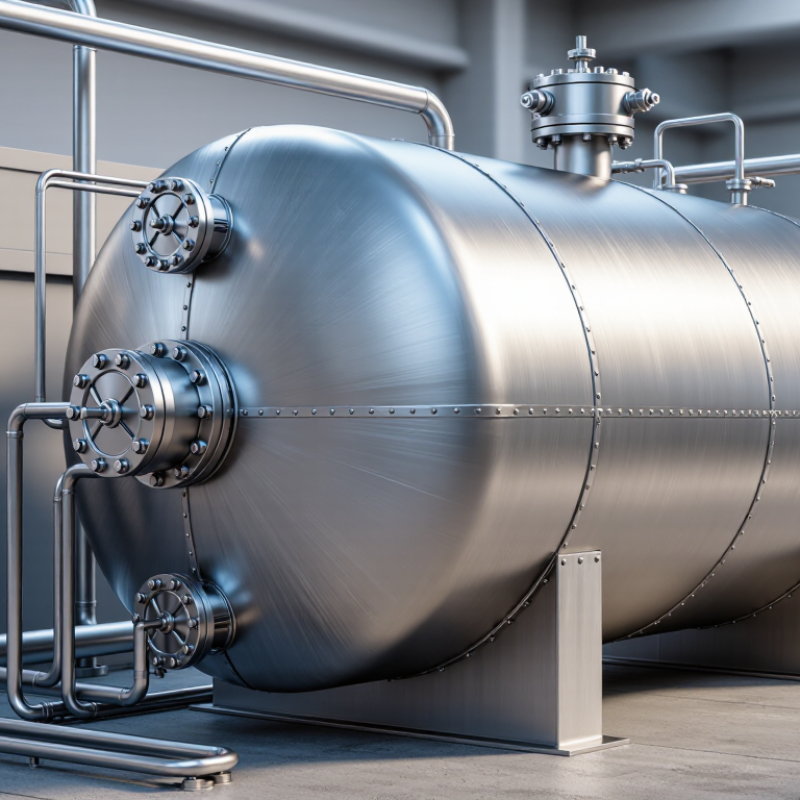
A pressure vacuum relief valve is a protective device fitted to a tank or vessel. It opens when internal pressure rises above a set limit or falls below a safe level. This helps prevent excessive pressure or vacuum from damaging the vessel. In simple terms, it lets gas move out or in when needed, then closes as conditions return to normal. That matters.
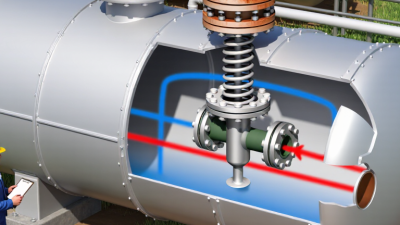
The valve typically uses a weighted pallet or spring-loaded mechanism. During normal operation, the sealing surfaces remain closed. If pressure climbs, the pressure side lifts and releases vapor; if a vacuum develops, the vacuum side opens to admit air or another suitable gas. The exact design and settings depend on the vessel, contents, operating conditions, and system requirements. A valve that is poorly sized or maintained may not protect equipment as intended. It is easy to overlook buildup or corrosion, especially around the seat.
Tips: Check the valve’s settings and condition as part of routine maintenance. Keep openings clear, and follow the equipment manufacturer’s guidance. If the valve lifts often, investigate the cause rather than simply adjusting its setting. Small details count.
How Does a Pressure Vacuum Relief Valve Work?
A pressure vacuum relief valve (PVRV) protects a tank by responding to pressure differences, not by continuously venting it. As vapor warms or liquid enters, pressure rises. When it reaches the valve’s set point, a weighted or spring-loaded pallet lifts and releases vapor. API Standard 2000 treats liquid movement and temperature-driven “breathing” as separate inputs when determining normal venting needs. A simple illustration: in a sealed, fixed-volume gas space, warming from 20°C to 40°C raises absolute pressure by about 6.8%, assuming ideal-gas behavior. Real tanks are more complex. Details matter.
The vacuum side works in reverse. When liquid is withdrawn or vapor cools, tank pressure falls; the inward pallet opens and admits air or an inert gas, if the system is designed for it. Once pressure returns to the operating range, the pallet reseats. That is the basic cycle. The U.S. EPA’s AP-42, Chapter 7.1, describes standing and working losses as key emission pathways for fixed-roof tanks. Correctly selected venting can help limit routine vapor loss, but a PVRV is not a substitute for emergency venting or proper tank-specific sizing. I would not assume one setting suits every tank: product properties, flow rates, and operating temperatures all matter.
What Tank Conditions Require Pressure and Vacuum Relief?
A storage tank can face pressure changes during ordinary operation. When liquid enters, it displaces vapor and raises pressure in the space above the liquid. Heating can expand trapped vapor, while a process upset may generate vapor faster than a vent can release it. Small changes matter. A pressure vacuum relief valve allows controlled flow when pressure approaches the tank’s rated limit.
Vacuum conditions can be just as important. Pumping liquid out quickly may remove vapor faster than air or gas can enter. Cooling after a warm day can also shrink the vapor space, and vapor condensation can deepen the vacuum. That can happen. Thin-walled tanks may buckle under surprisingly modest vacuum, so the tank’s allowable vacuum rating deserves close attention.
A valve is needed when routine filling, emptying, temperature swings, or credible process events could exceed the tank’s pressure or vacuum limits. The required capacity depends on flow rates, vapor properties, and operating conditions, not simply tank size. A practical review should compare those conditions with the tank rating and valve setpoints. I would not rely on a valve selection based on one “typical” operating case; unusual cooling or rapid pump-out can be missed. Proper sizing and periodic inspection help ensure the valve can respond when needed.
How Does a Relief Valve Protect Tanks and Their Contents?
A pressure vacuum relief valve helps a storage tank withstand routine changes in pressure.
During filling, incoming liquid pushes vapor toward the vent. During emptying, the space above the liquid can fall below atmospheric pressure. Temperature shifts can also change vapor pressure. Without suitable relief, excess pressure may deform the tank, while vacuum can pull its walls inward. That damage can lead to leaks and expose the stored product to air or moisture.
Small details matter.
The valve opens at designed pressure or vacuum limits. It releases vapor when pressure rises and admits air or another approved gas when pressure drops. This helps protect both the tank structure and its contents, while limiting unnecessary vapor loss. It cannot prevent every contamination risk, and it is not a substitute for sound tank design. Set points and capacity must match the tank, product, and operating conditions. A poorly sized valve may not provide the intended protection. Operators should inspect the vent path and valve regularly for buildup, corrosion, or sticking parts. The right interval depends on service conditions; that part deserves careful review, not guesswork.
Where Are Pressure Vacuum Relief Valves Used?
Pressure vacuum relief valves are commonly installed on low-pressure storage tanks that hold liquids capable of producing vapor. You may find them on fuel, solvent, and process-liquid tanks at refineries, chemical plants, and terminals. As liquid enters or leaves, tank pressure changes. Temperature shifts can also increase or reduce vapor pressure. The valve releases excess pressure or admits air when internal pressure drops, helping protect the tank from damage.
They are also used on fixed-roof tanks and some closed process vessels designed for low operating pressures. A valve’s location and set points depend on the tank design, product, and expected flow rates. For example, a tank receiving liquid quickly may need different venting capacity than one filled slowly. This part is easy to underestimate. Real operating conditions rarely match a tidy drawing perfectly.
Tips: Check that the valve is correctly sized for normal filling, emptying, and temperature changes. Keep vent openings clear of dirt, ice, and paint buildup. Follow the equipment maker’s inspection guidance, and involve a qualified engineer when process conditions change. A small obstruction can matter.
Pressure vacuum relief valves protect low-pressure storage tanks by releasing excess pressure or admitting air when a vacuum develops. They are commonly used on petroleum and chemical storage tanks, including tanks connected to vapor-recovery or inert-gas blanketing systems. The chart shows which relief direction is relevant in each scenario; it is a functional guide, not measured operating data. Set points must be selected for the specific tank design and applicable requirements.
 North American Safety Valve Industries, Inc.