 North American Safety Valve Industries, Inc.North American Safety Valve Industries, Inc.North American Safety Valve Industries, Inc.
Choosing the best temperature and pressure relief valve in 2026 is not a brand contest. It is a safety decision. The right valve must match the heater’s approved pressure and temperature limits, discharge capacity, connection, and installation requirements. A valve that fits the pipe may still be the wrong valve.
Authoritative references help narrow the field. The U.S. Department of Energy’s Energy Saver guidance explains water-heater safety and operating considerations. ASME Boiler and Pressure Vessel Code Section IV provides requirements for heating boilers, while ANSI Z21.22/CSA 4.4 addresses relief valves for hot-water supply systems. These references are more useful than an isolated “best seller” ranking. Check the appliance label, the valve’s certification, and its rated capacity. Look for clear markings on the body, not just claims on a product page.
One limitation matters: no source material or verifiable specialist quotation was provided, so I cannot responsibly attribute a valve-specific quote to a named expert. That restraint is part of trustworthy comparison. Some product listings also omit installation context, and that can make two apparently similar valves difficult to compare. We will examine what the available specifications actually show: certification, set points, capacity, materials, and compatibility. Small details matter. A few degrees or a mismatched rating can change the decision. The strongest choice is the one documented for your specific appliance, not the one with the loudest marketing.
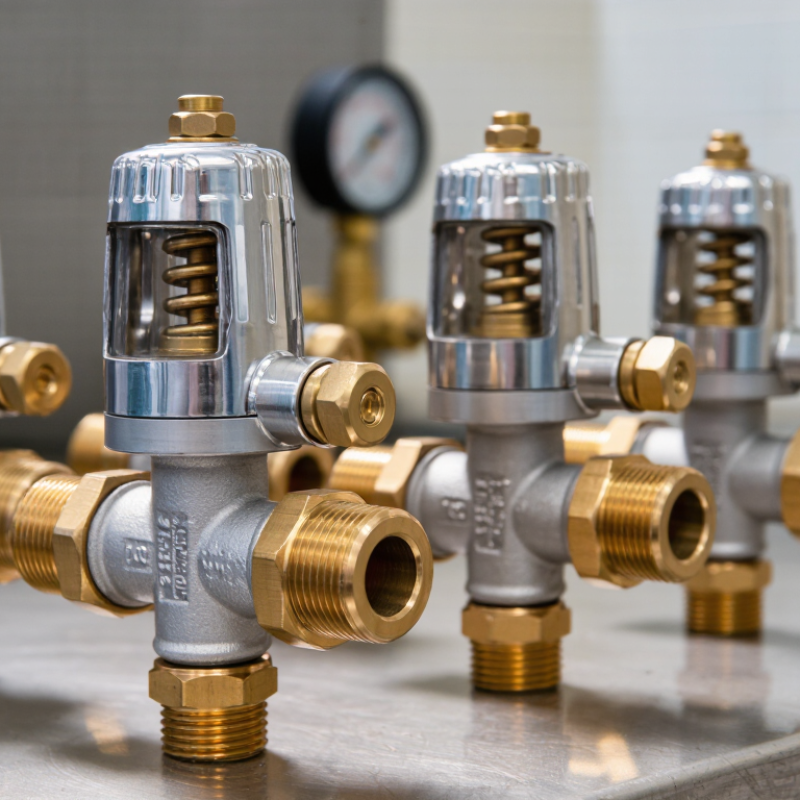
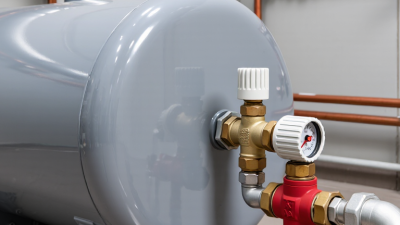
A temperature and pressure relief valve protects a water heater when heat or pressure rises beyond its rated limits. Many residential models are rated to open at 150 psi or 210°F. These figures are common, not universal; check the heater’s label and the valve’s markings. One limit concerns pressure. The other concerns temperature. Either condition can cause hot water or steam to discharge through the outlet pipe.
The detail that is easy to miss: a T&P valve is a safety backup, not a pressure regulator. Its discharge pipe should remain unobstructed and direct water safely downward. Never cap or plug it. Even a small drip deserves attention. It may point to high supply pressure, thermal expansion, overheating, or a worn valve; guessing from the drip alone is unreliable. A clear pipe matters. So does a correctly rated replacement. Because discharge can be dangerously hot, have a qualified technician investigate repeated leaking or signs of overheating. A valve can look fine and still fail to operate as intended.
| Comparison point | Typical requirement or feature | What it protects against | Selection guidance |
|---|---|---|---|
| Pressure setting | Common residential setting: 150 psi | Excessive tank pressure | Use the pressure rating specified on the water heater’s data plate and in its instructions; do not choose a higher setting to stop discharge. |
| Temperature setting | Common residential setting: 210°F | Dangerously high stored-water temperature | Confirm the temperature rating matches the heater requirements. The valve is a safety device, not a normal temperature-control method. |
| Relief capacity | Capacity must meet or exceed the water heater’s rated input, as required by applicable standards and instructions. | Failure to relieve pressure or temperature fast enough | Check the valve capacity marking against the heater’s input rating; do not select by connection size alone. |
| Certification and compatibility | A listed or certified valve suitable for the specific heater and installation | Incorrect operation caused by an unsuitable or unverified valve | Follow the heater manufacturer’s instructions and local code. Verify the valve’s ratings, listing, and approved application. |
| Connection and fit | Thread size, inlet orientation, and temperature-probe length must suit the heater tapping. | Leaks, poor installation, or a probe that does not sense tank water properly | Match the original specified connection and probe arrangement. Never force incompatible threads or modify the valve. |
| Discharge pipe | A properly sized, unobstructed, gravity-draining pipe routed to an approved safe termination point | Scalding exposure and unsafe discharge conditions | Install according to local code and the heater instructions. Do not cap, plug, valve, or obstruct the outlet. |
| Valve material and service conditions | Materials and pressure/temperature ratings appropriate for potable hot-water service | Premature corrosion or damage in the installed environment | Use a valve approved for the heater’s service conditions; consider water quality and installation environment without substituting a non-approved valve. |
| Routine inspection | Inspection and any lever testing only as directed by the heater or valve instructions | A stuck valve or discharge path that may not function properly | Discharge can be very hot. Follow the manufacturer’s safety procedure; replace a valve that leaks, fails to reseat, or shows damage. |
| Best choice for most replacements | A listed T&P valve that exactly matches the water heater’s specified pressure and temperature settings, required relief capacity, connection, and installation instructions. The commonly cited 150 psi and 210°F ratings are typical for residential heaters, not a substitute for checking the individual heater and local requirements. | ||