A temperature and pressure relief valve, commonly called a T&P valve, is a safety device fitted to many storage water heaters. It opens when water temperature or tank pressure exceeds its rated limit, releasing hot water through a discharge pipe. That action helps reduce the risk of excessive pressure damaging the tank. It is a safeguard, not a routine temperature-control device.
In many North American residential installations, common ratings are 150 psi and 210°F. Actual ratings depend on the appliance and applicable requirements, so the nameplate and manufacturer’s instructions matter. ANSI Z21.22/CSA 4.4 specifies performance requirements for relief valves used with hot-water supply systems. The U.S. Department of Energy’s consumer water-heater standards technical support documents also provide useful equipment and operating-context data. Neither source replaces checking the valve installed on a specific tank.
A small detail can matter. The discharge pipe should direct released water safely, without being capped or obstructed. If a valve drips, leaks, or fails to discharge during a manufacturer-approved check, the cause may not be obvious. Thermal expansion, excessive supply pressure, and a worn valve can produce similar signs. A qualified technician can assess the system and confirm the correct replacement. These devices are easy to overlook; that deserves a second thought. A T&P valve is not a substitute for maintenance, and casual testing can expose people to scalding water.
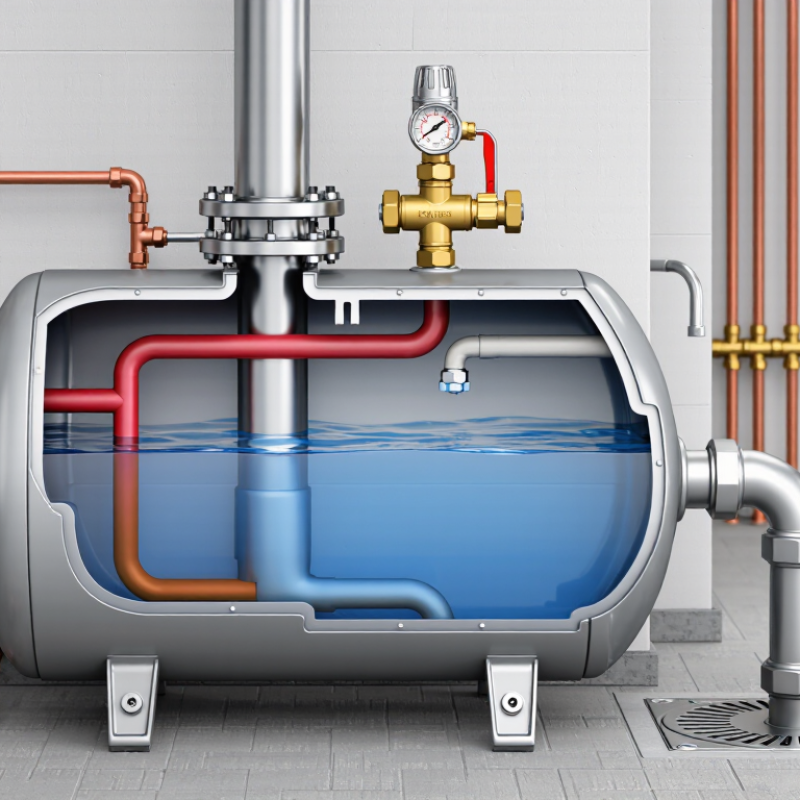
What Is a Temperature and Pressure Relief Valve?
Definition and Purpose of a Temperature and Pressure Relief Valve
A temperature and pressure relief valve, often called a T&P valve, is a safety device fitted to many storage water heaters. It monitors conditions inside the tank. If temperature or pressure rises beyond the valve’s rated limits, it opens and releases water through a discharge pipe. This helps reduce the risk of tank damage or rupture. It is a safeguard, not a control for everyday temperature or pressure.
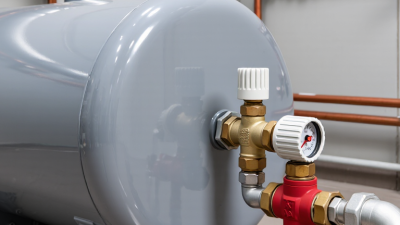
The valve usually sits near the top or side of the tank, where it can respond to hot water and internal pressure. A discharge pipe directs released water toward a safe location. That water may be scalding. A small drip can signal a problem, but it does not identify the cause; expansion, excess pressure, or a worn valve may be involved. Guessing can miss the real issue.
Tips: Keep the discharge outlet clear and never cap or plug it. Check for visible corrosion or leakage, but avoid touching water coming from the pipe. If the valve releases water repeatedly, have a qualified technician inspect the heater and valve. A working valve matters, yet it cannot make an aging or poorly maintained tank safe by itself.
Common residential water-heater T&P valve set points
A temperature and pressure relief (T&P) valve is a safety device that opens to release water if the temperature or pressure in a water heater exceeds the valve’s set point. This chart shows common residential set points of 210°F and 150 psi. Actual settings depend on the valve and water-heater specifications; check the valve label.
What Is a Temperature and Pressure Relief Valve?
How the Valve Responds to Excess Heat and Pressure
A temperature and pressure relief valve, or T&P valve, is a safety device on many storage water heaters. It responds when either water temperature or system pressure reaches the valve’s rated limit. A sensing probe tracks temperature, while a spring-loaded mechanism responds to pressure. Many residential models are rated to open at 210°F or 150 psi; always check the valve label and heater manual, since ratings vary. The U.S. Department of Energy’s Energy Saver guidance estimates that water heating uses about 18% of household energy, underscoring how often these systems operate.
If heat crosses the valve’s limit, the temperature-sensing element triggers the valve. If pressure rises too high, pressure lifts the valve’s internal disc. Either response releases hot water through the discharge pipe, relieving stress inside the tank. As conditions return to an acceptable range, the valve may close again. A persistent drip can signal a faulty valve, excess system pressure, or a heating problem; the drip alone does not identify the cause. Requirements in ASME Boiler and Pressure Vessel Code Section IV and ANSI Z21.22 address relief-device performance and installation.
Tips: Keep the discharge pipe unobstructed and directed to a safe location. Follow the heater manual for inspection or testing; never cap the outlet. And don’t assume a quiet valve is a working valve.
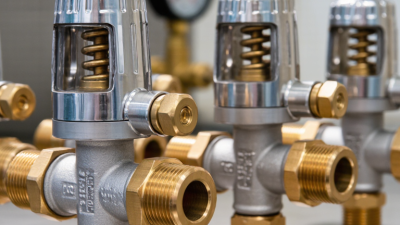
A temperature and pressure relief valve combines two sensing functions in one protective assembly. Its main parts are the inlet, valve body, seat, moving disc, spring, temperature-sensing element, and discharge outlet. The inlet connects to the protected vessel; the outlet directs released fluid away from the valve. Keep that path clear.
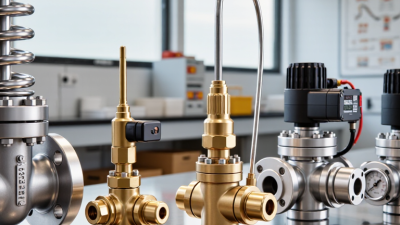
Common designs include combined T&P valves, which respond to either condition, and separate pressure-only or temperature-only relief valves. Combined units are often used on water-heating equipment; other vessels may need a different arrangement. Spring-loaded, direct-acting models are widely used, while special applications can require different sensing or discharge configurations. Capacity, connection size, material, and set points vary. Details are easy to overlook, yet an undersized outlet or obstructed discharge line can affect safe operation. Check the equipment specifications and have selection and installation reviewed by a qualified professional.
What Is a Temperature and Pressure Relief Valve?
Typical Applications and Installation Considerations
A temperature and pressure relief valve helps protect a pressurized water heater when water gets too hot or pressure rises too high. It opens to release water and reduce the hazard. These valves are common on storage water heaters in homes and commercial buildings. The discharge can be hot enough to cause serious burns. Select a replacement that matches the heater’s specifications; similar-looking valves may have different ratings.
Install the valve in the heater’s designated opening, following the manufacturer’s instructions. Its temperature-sensing element must reach the intended area inside the tank. Keep the outlet clear, with no shutoff valve or plug blocking discharge. Connect a discharge pipe of the specified size and material, and route it to a safe, visible location. The outlet should not point toward people or electrical equipment. Requirements vary, so check local plumbing rules. One detail that is easy to miss: a neat-looking pipe route can still be unsafe if it traps water.
Tips: Before any work, shut off the heater’s energy source and let hot components cool. Follow the manual for inspection or testing. If the valve leaks repeatedly, do not cap it or ignore the drip; have the heater and valve checked by a qualified professional.
| What Is a Temperature and Pressure Relief Valve? — Typical Applications and Installation Considerations | |||
|---|---|---|---|
| Topic | Typical Application or Function | Key Installation Considerations | Important Checks |
| What the valve does | A temperature and pressure relief (T&P) valve opens to discharge water when the temperature or pressure in a storage water heater reaches the valve’s rated limit. It helps protect the vessel from unsafe conditions. | Install the correct valve in the water heater’s designated opening, following the appliance instructions and applicable local codes. The sensing element must be positioned as specified by the manufacturer. | Confirm that the valve is listed and rated for the water heater and matches the appliance’s required connection and capacity. |
| Residential storage water heaters | Commonly used on domestic storage-type water heaters, including many gas and electric models. | Install directly into the designated tank opening. Do not place a shutoff valve or other obstruction between the tank and the T&P valve. | Check the water heater nameplate and instructions for the required pressure and temperature ratings. Do not assume one rating is suitable for every heater. |
| Typical residential ratings | Many residential water-heater T&P valves are rated at 150 psi (about 10.3 bar) and 210°F (about 99°C); actual ratings vary by appliance and application. | Use only a valve whose ratings are permitted by the water heater manufacturer and applicable codes. Never select a higher setting simply to stop discharge. | Compare the valve’s marked settings with the tank rating, installation instructions, and local requirements. |
| Discharge piping | Provides a route for hot water and steam to leave safely if the valve opens. | Route the discharge pipe downward, without traps or unnecessary restrictions, to an approved termination point. Use pipe material and sizing permitted by the appliance instructions and local code. | The outlet must not be capped, plugged, threaded shut, or reduced in a way that restricts flow. Keep the termination visible and away from people where practicable. |
| Thermal expansion | In closed plumbing systems, heated water can expand and increase system pressure. A T&P valve is a safety device, not a routine pressure-control device. | Where required, address thermal expansion with a correctly sized expansion-control solution installed according to its instructions and local code. | Repeated discharge may indicate thermal expansion, excessive supply pressure, overheating, or a faulty valve. Identify the cause rather than blocking the outlet. |
| Periodic inspection | Inspection helps identify corrosion, leakage, damaged discharge piping, or an obstructed outlet. | Follow the water heater and valve manufacturers’ inspection instructions. Discharged water may be extremely hot; use appropriate precautions and do not operate a valve if the discharge path is unsafe. | If the valve leaks continuously, is corroded, or fails to operate as intended, have the system assessed and replace the valve when required by the manufacturer or code. |
| Scope and code compliance | T&P valves are typically associated with storage water heaters; other pressure equipment may require different types of certified safety devices. | Installation details, discharge termination rules, and required device ratings depend on the appliance, jurisdiction, and applicable standards. | Use the appliance documentation and local code as the controlling references. Installation should be performed by a qualified professional where required. |
Inspection, Testing, and Replacement Practices
A temperature and pressure relief valve protects a closed water-heating system when heat or pressure rises too far. Inspection should begin with the discharge pipe: it must be unobstructed, correctly routed, and free of corrosion or scale. Check the valve body and connections for seepage, mineral deposits, or damage. A dry floor is not proof of a sound valve; a stuck valve may show no visible warning.
Testing needs care. Follow the equipment maker’s instructions and applicable codes; never cap or block the outlet. A qualified technician can check opening pressure and reseating, then document the result. For pressure-relief valves covered by ASME Boiler and Pressure Vessel Code, Section VIII, Division 1, UG-134 specifies set-pressure tolerances of ±2 psi at or below 70 psi, and ±3% above 70 psi. This is a test benchmark, not a universal setting. Replacement is appropriate after leakage, failed testing, corrosion, or service beyond the specified life. National Board Inspection Code, Part 4, provides inspection guidance; required intervals depend on service and local rules.
Tips: Keep the outlet pipe visible, and look for drips or rust stains during routine checks. Don’t force a sticky lever. Honestly, a quick visual check can miss internal wear, so record professional test dates and results.